

There are few sounds in the world as instantly nostalgic as the click of a Game Boy power switch. That soft hum as the greenish screen comes to life and the Nintendo logo scrolls down… pure magic. And now, over 35 years later, LEGO has recreated that feeling in brick form.
The Lego Game Boy: a perfectly pixelated tribute
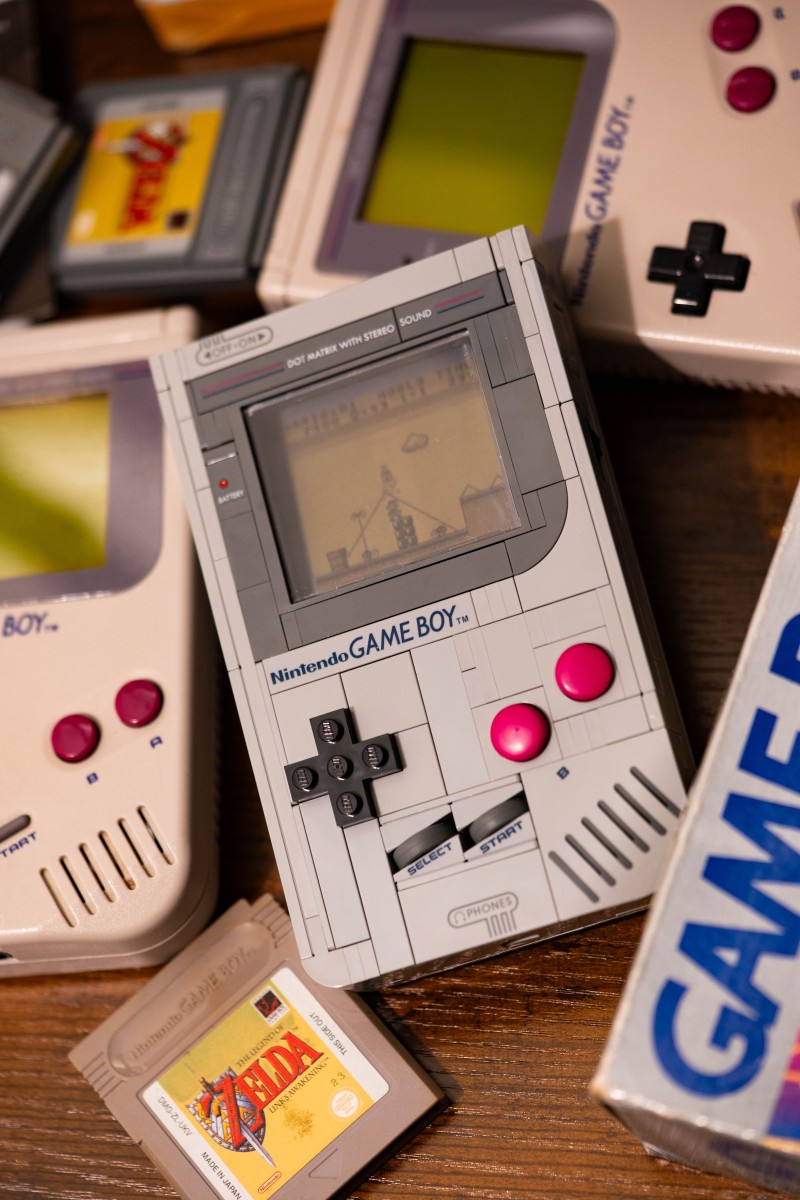
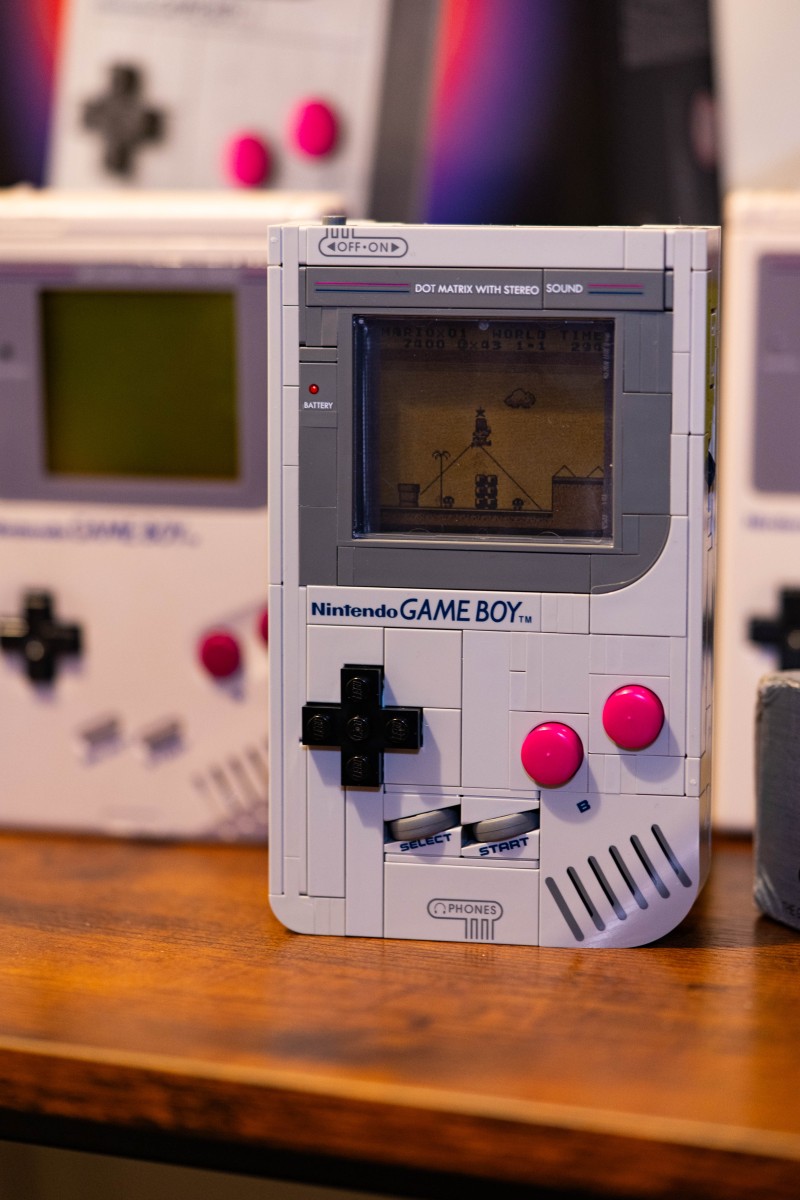
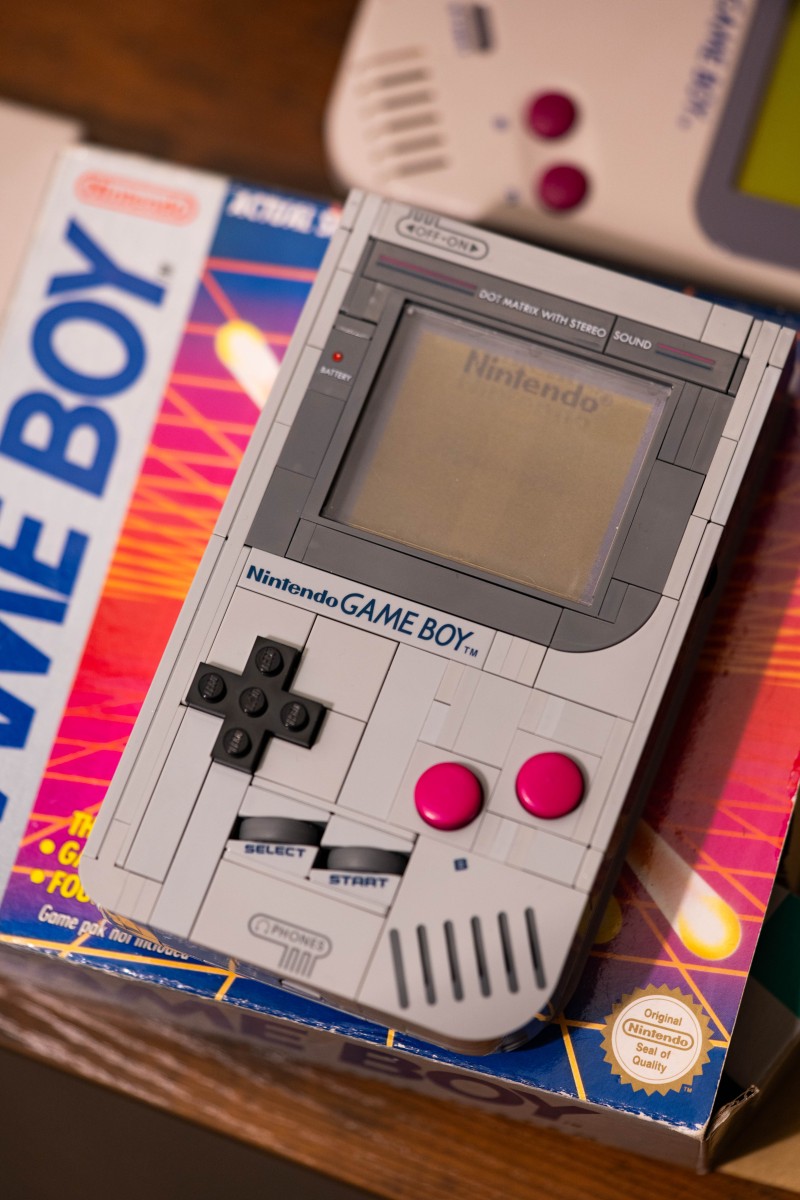
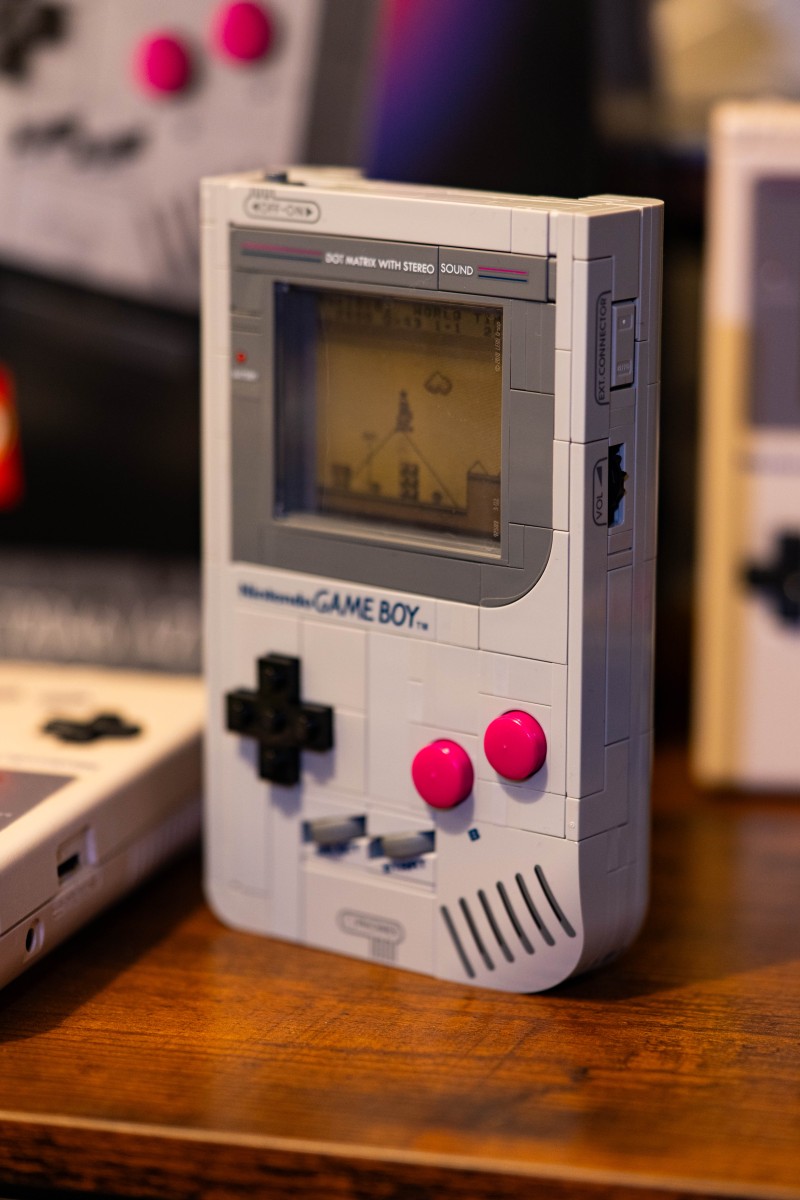
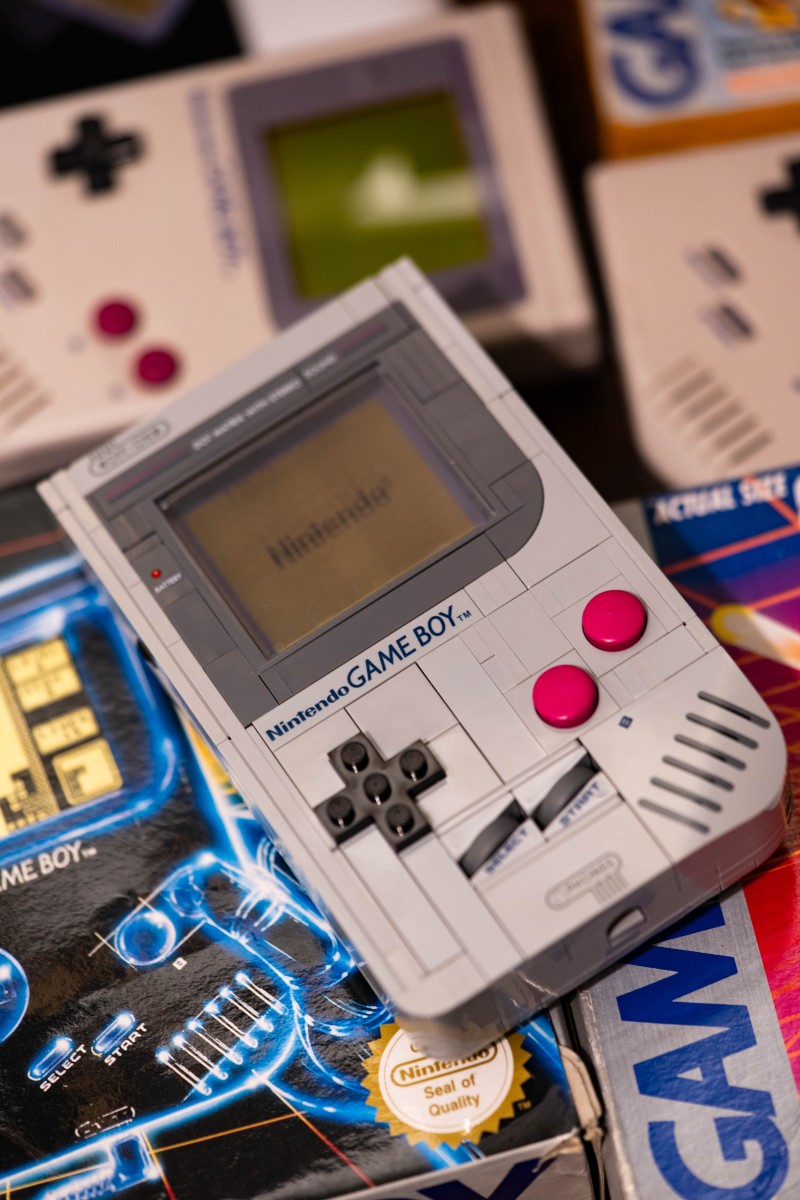
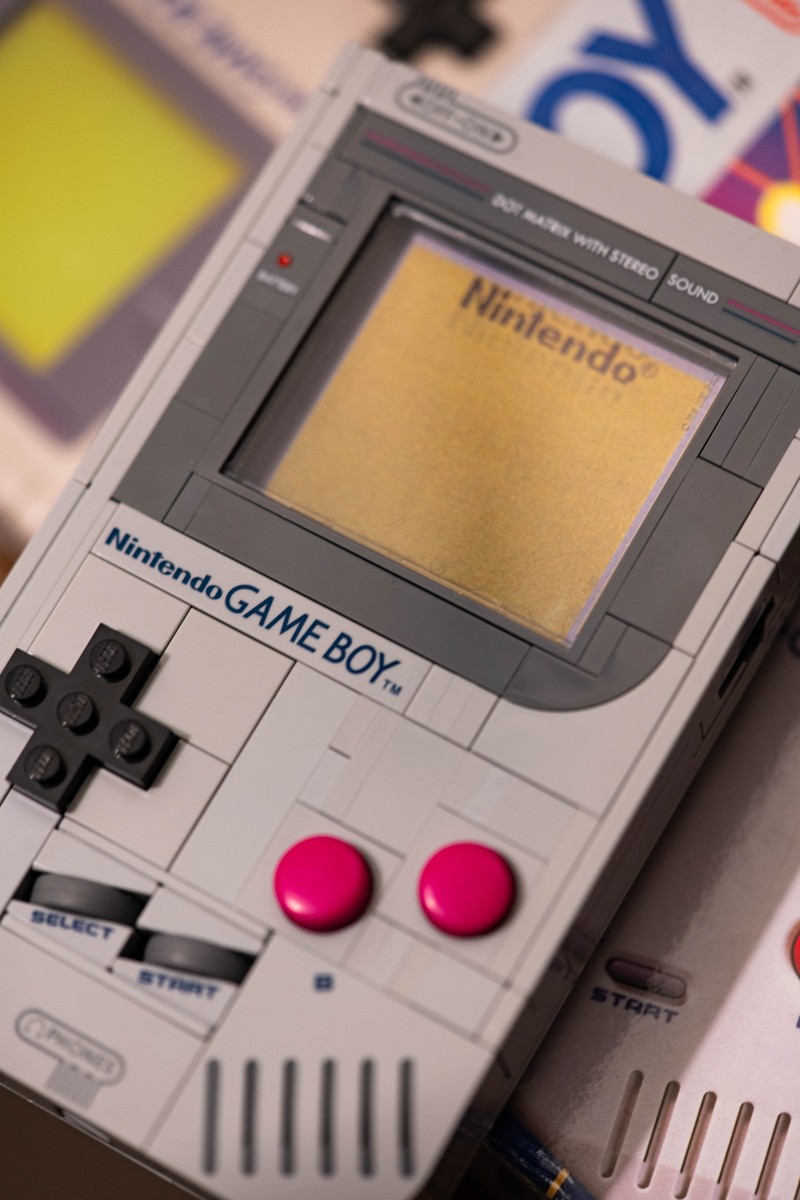
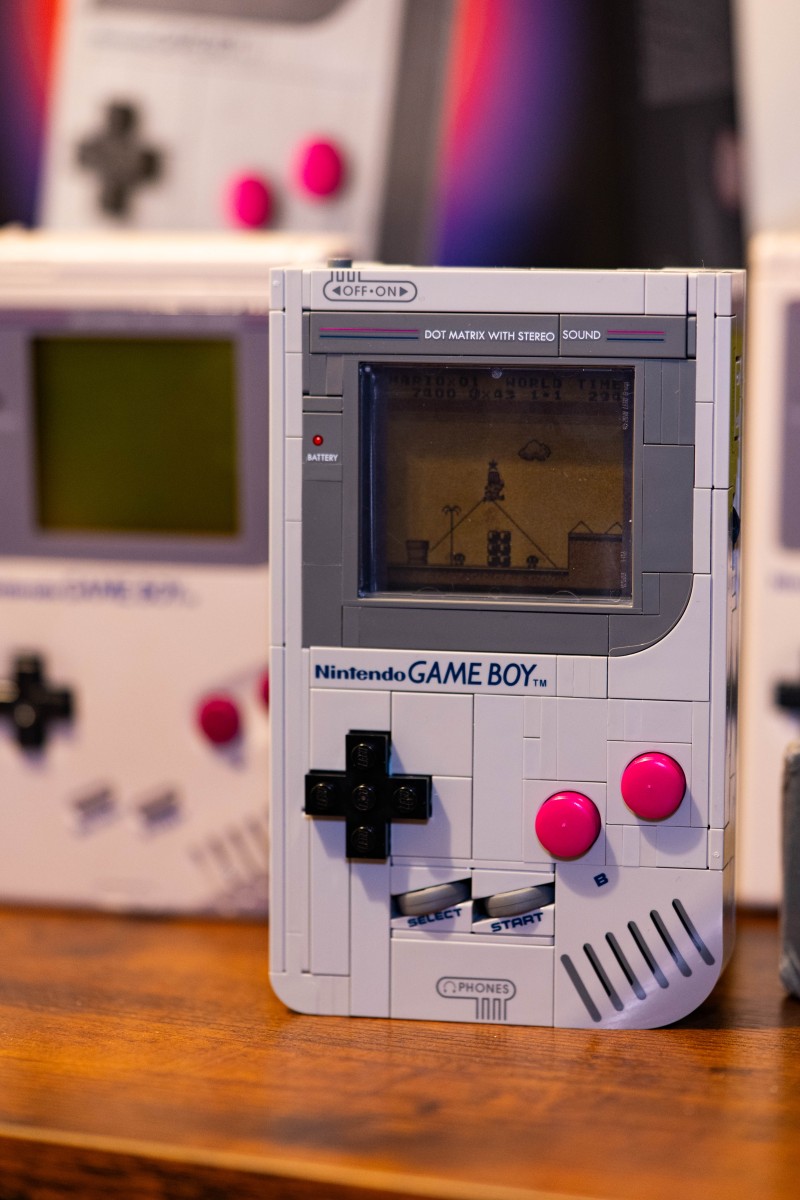
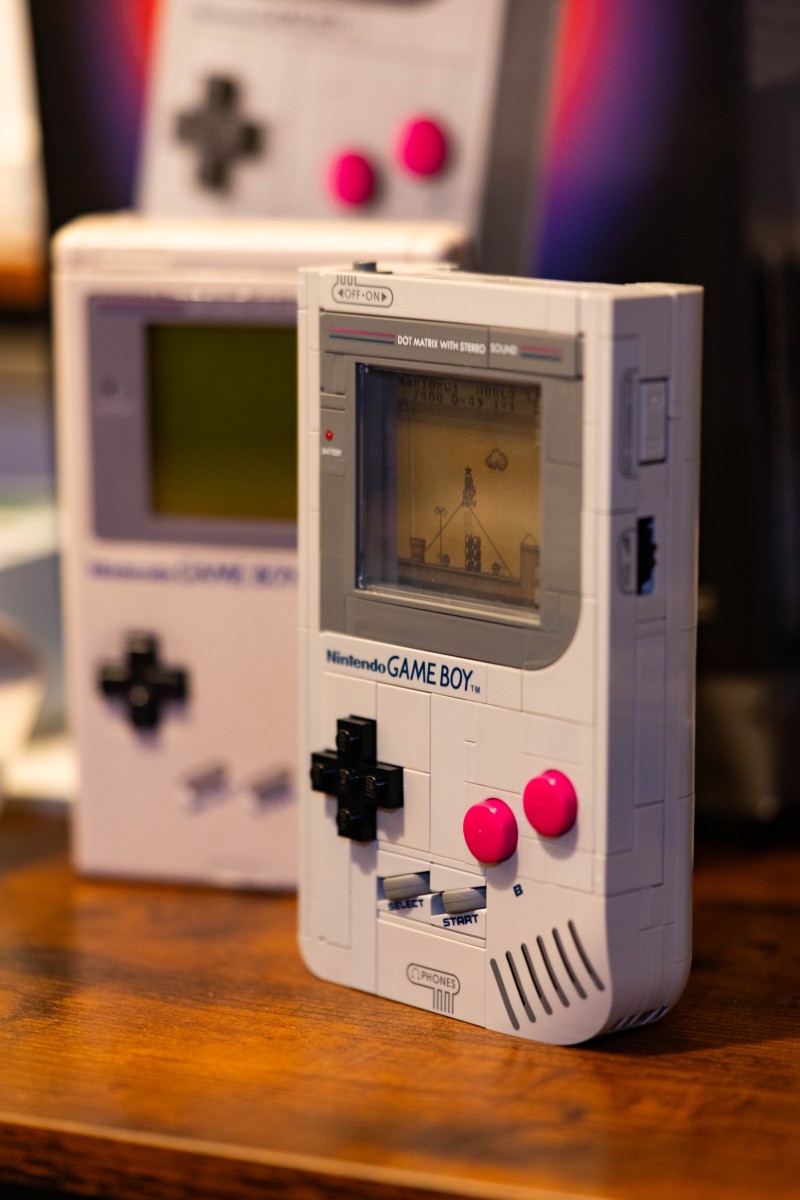
Released on 1 October 2025 as set 72046, the LEGO Game Boy captures the heart of Nintendo’s original handheld with remarkable fidelity. The model recreates the 1989 Game Boy in all its blocky glory, from the iconic “Dot Matrix with Stereo Sound” label (although with a misaligned “sound” word for some… reasons?) to the perfectly placed red power light and magenta buttons.
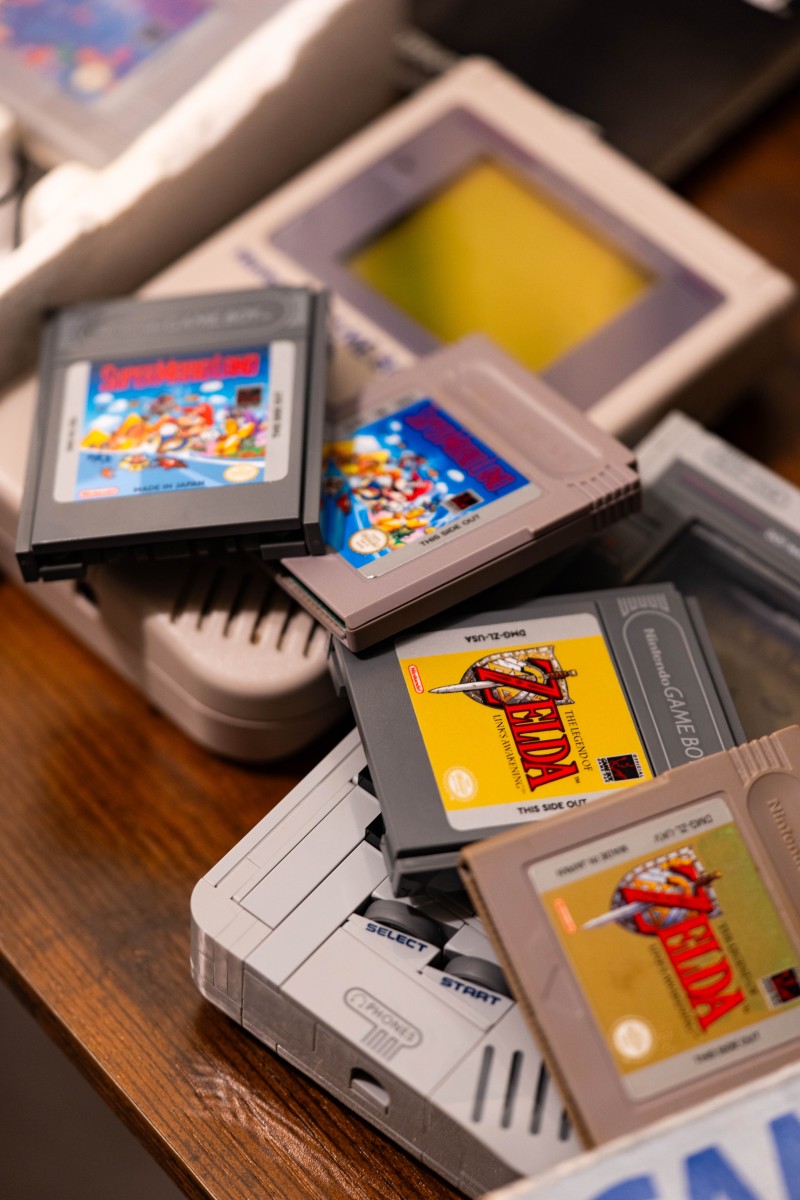
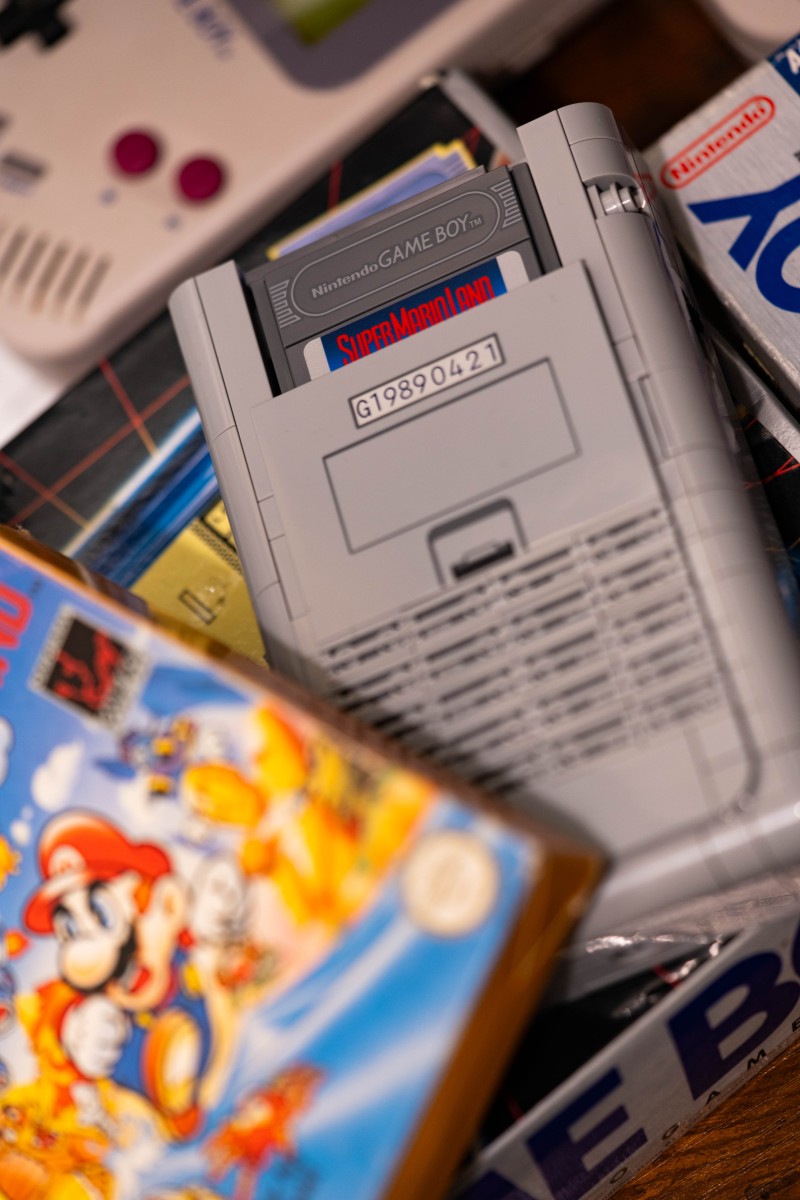
The set includes buildable cartridges for Super Mario Land and The Legend of Zelda: Link’s Awakening. You can insert either into the slot and swap the display between two lenticular game screens and a Nintendo start-up screen. The model has no electronic display or sound, but the familiar ritual is there.
You can also watch my unboxing, build, comparison review on YouTube!


The original Game Boy was a pocket revolution
Released in 1989, Nintendo’s Game Boy wasn’t the first (proper) handheld console, but it was the one that defined an era. Designed by Gunpei Yokoi, whose Nintendo team had also made the Game & Watch, the Game Boy balanced simplicity, endurance, and fun in a way that made it a worldwide phenomenon.
The original used a monochrome screen and four AA batteries. Its modest hardware made room for long play sessions and a library that mattered more to me than a specification sheet. Have you seen the film Tetris? I enjoyed its version of the story behind the game that became so closely tied to this little machine.
Games like Tetris, Super Mario Land, and The Legend of Zelda: Link’s Awakening became instant classics, shaping gaming as we know it. Over 118 million units of the Game Boy and Game Boy Colour combined were sold, making it one of the best-selling consoles of all time.
The Games: Super Mario Land & Zelda: Link’s Awakening
Super Mario Land (1989)
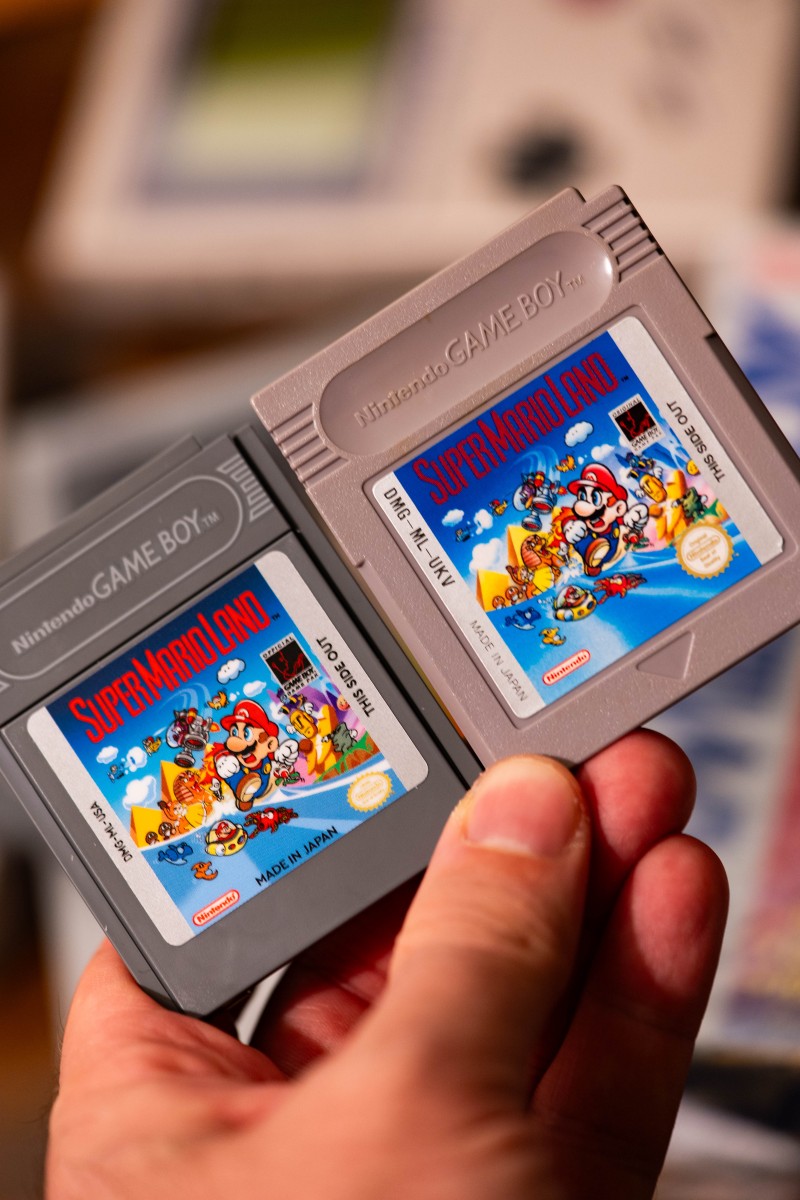
Created by Nintendo’s R&D1 team, Super Mario Land was a bold reinterpretation of the Mario universe. Gone were Bowser and Peach, in came Tatanga and Daisy, in… Egypt?
It was the first time Mario ventured into handheld territory, bringing fast-paced platforming and catchy tunes composed by Hirokazu “Hip” Tanaka. Even today, its simplicity and charm endure. A bit of a weird, and short, Super Mario, but solid.
The Legend of Zelda: Link’s Awakening (1993)
Zelda’s first handheld adventure was more than just a portable version, it was a surreal, dreamlike masterpiece. With its mysterious island setting and emotional storytelling, Link’s Awakening proved the Game Boy could deliver not only fun but also depth and imagination.
Both games are represented beautifully in the LEGO set through the cartridges and interchangeable screens, celebrating two of the Game Boy’s most defining titles.
The Lego version
The LEGO version lets me look at the Game Boy differently. Its curves have to be built from small, hard pieces; the cartridge slot and controls become construction puzzles. It’s a satisfying way to spend time with a shape I already know by heart.
As you build it piece by piece, you’re reconstructing a memory. Compared with the earlier LEGO NES set, this is a smaller project, with a smaller box and a lower launch price.
RetroAffaire’s take
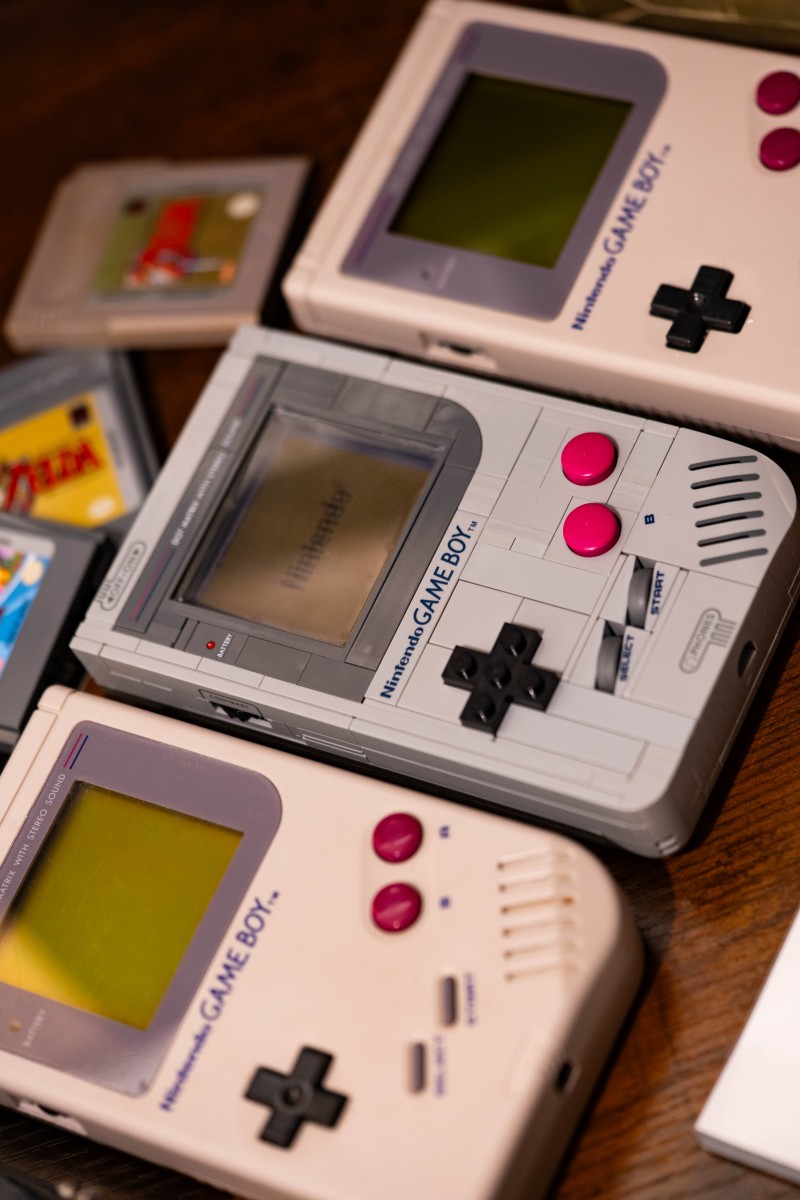
I’ve compared the LEGO model side by side with my original Game Boys, yes, plural! The resemblance is very good, right down to the curvature of the shell and the click of the buttons (even the on/off). The build itself is surprisingly satisfying, with clever techniques to capture the rounded edges of the console.
The finished model earns its place beside my original Game Boys. Familiar from a distance; full of little construction choices when you pick it up.
Stay curious. Stay nostalgic.
Because retro never dies, it just respawns.



Leave a Reply