

For years, the Sharp X68000 was a machine I knew mostly as a rumour. A black twin-tower monolith from Japan. Arcade-perfect conversions. Huge 5.25-inch floppy disks. A home computer that looked less like something from 1987 and more like professional equipment from a more advanced future.
I wanted one for a very long time. I looked more than once, but importing an almost forty-year-old machine from Japan is never a small decision: heavy, fragile, expensive to ship, and carrying all the usual risks of vintage hardware, leaking batteries, tired power supplies, failing drives, video issues you can’t diagnose from a listing photo.
So for a while I did the next best thing. I built a tribute.
Then, unexpectedly, the real machine turned up here in the UK.
This is the story of both of them: the X68000 I built while I waited, and the original 1987 Sharp X68000 that finally started booting on my desk.

A machine that became a myth
The Sharp X68000 launched in Japan in 1987. At that point, most of us in Europe were living in a very different home computing world: the ZX Spectrum, the Commodore 64, the Sega Master System, the NES. The Amiga 1000 had arrived in 1985 and already felt advanced. The X68000 belonged to another category entirely.
It ran on a Motorola 68000 CPU, with custom graphics hardware, dedicated sprite hardware, a palette of 65,000 colours, and Yamaha’s YM2151 for FM sound, the same chip sitting inside arcade cabinets of the era. Its launch price was around ¥369,000, far beyond an ordinary games console. The software catalogue included much more than homework or games.
Outside Japan, most of us barely knew it existed. Inside Japan, it became something close to a cult object, affectionately nicknamed Peke-Roku: “peke” for the X mark, “roku” for six.
There is a reason books like the X68000 Perfect Catalogue exist: an entire volume documenting the hardware, the revisions, the games, and the culture around one machine, a substantial catalogue spanning several hardware revisions. That kind of treatment is usually reserved for computers that left a mark.
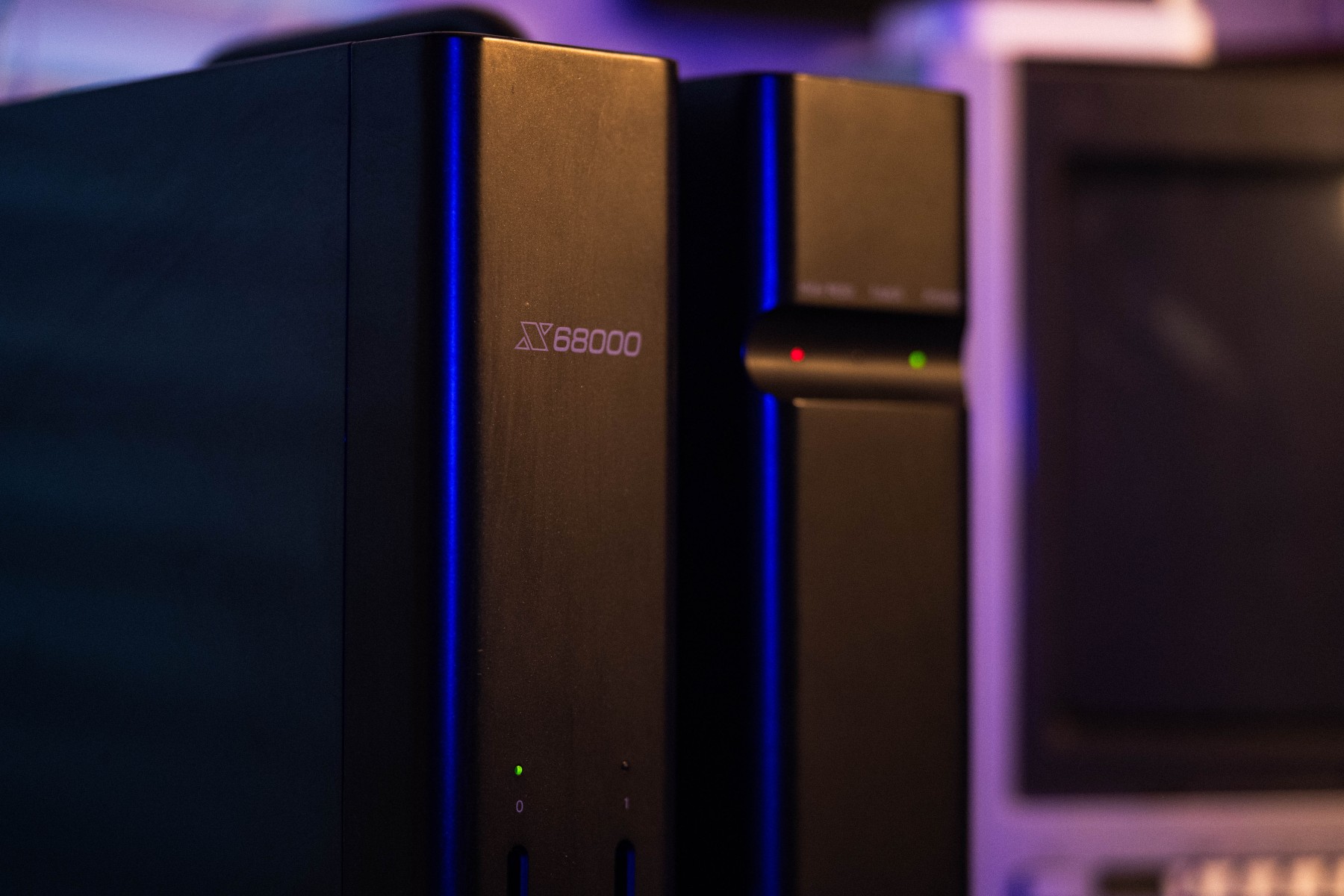
I first saw one in person in 2001, during my first trip to Japan. It was already around fifteen years old, and it still didn’t look old. The twin-tower case, the push-in handle, the orange power switch, the metal body, the vertical floppy drives, everything about it looked deliberate. It looked serious. It looked expensive. It looked like the future had briefly stopped in 1987 and left something behind.




Building the X68PC
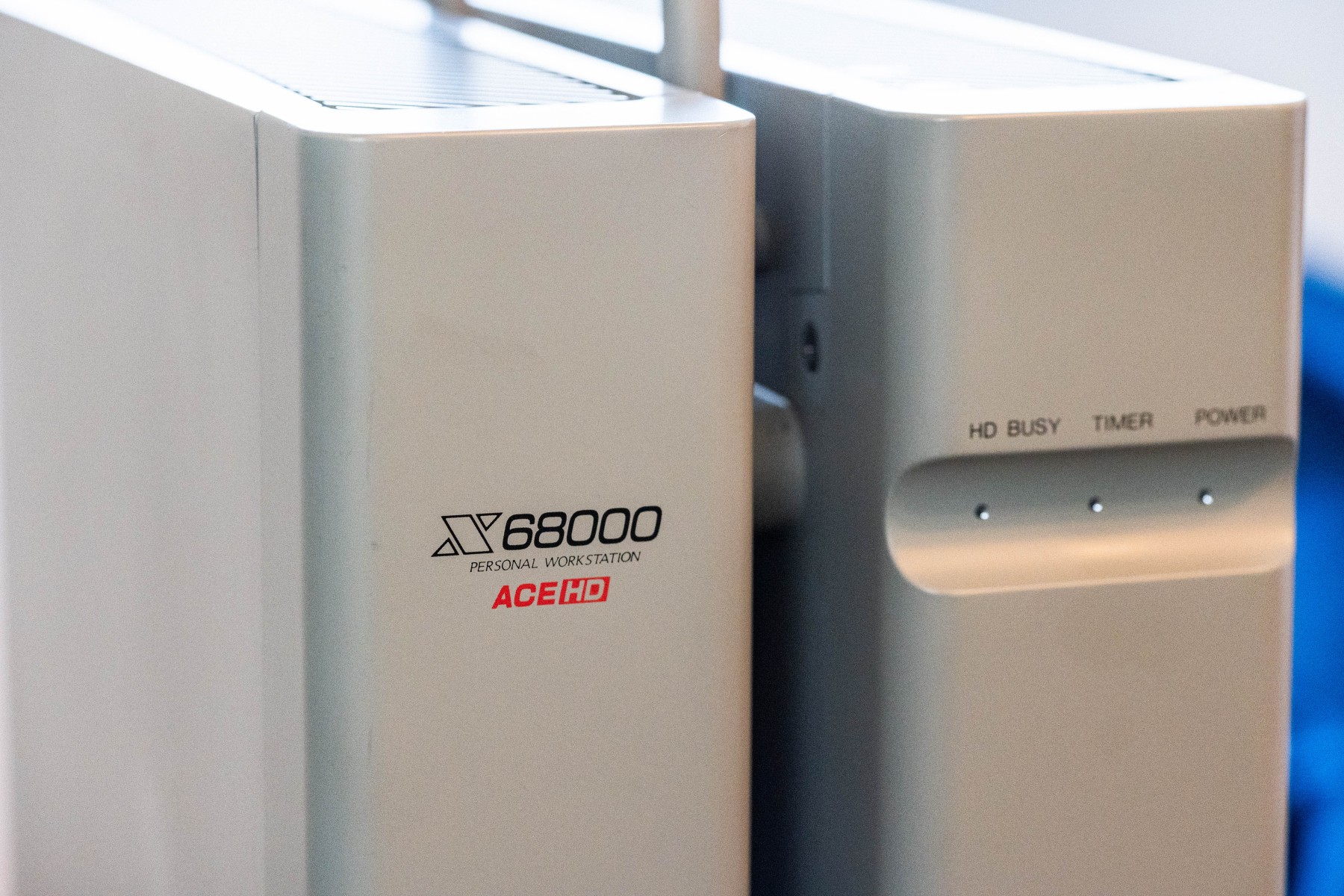
Years later, browsing Japanese resale sites, I found something unusual: an original X68000 case, completely empty. No motherboard, no cards, no ports, no drives. Just the silver twin-tower shell, in beautiful condition, with the original mono speaker still inside.
That speaker mattered to me. It’s a small thing, but it’s also the one surviving voice of the original machine, the same kind of speaker that would have carried the sounds of Human68k, arcade ports, system beeps, and all the strange little noises that make old computers feel alive. So I decided to build something inside it. I’m mostly a Mac user, but a compact Windows PC is always useful when you’re working with vintage machines, emulators, capture tools, and the small utilities that still live more comfortably on Windows. I used a modern Mini-ITX board, a compact power supply, an SSD, and a lot of patience.
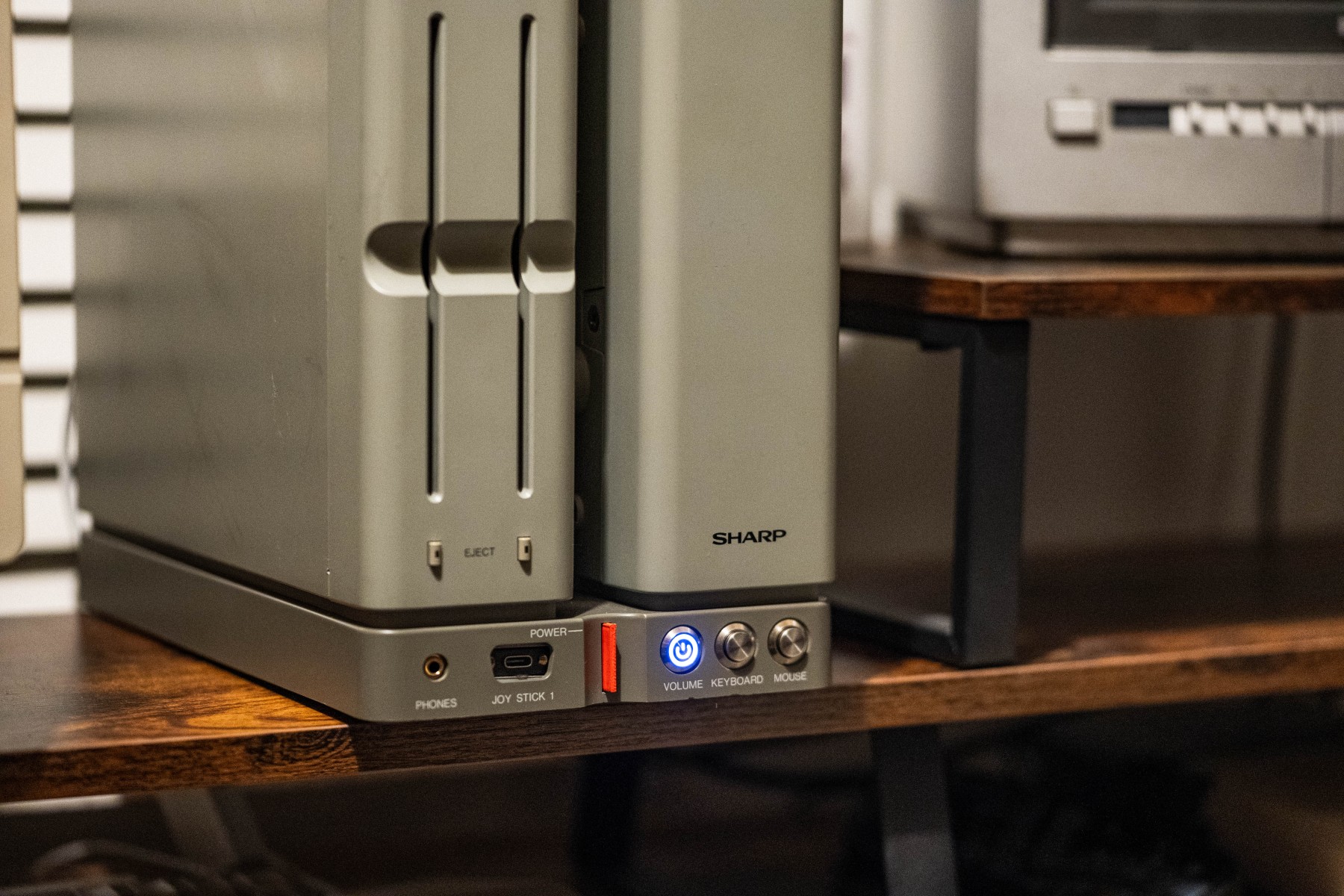
The case looks large from the outside, but it’s split into two narrow towers, which makes modern components surprisingly awkward to fit. Nothing quite belongs where you want it to. I used the twin-tower layout to my advantage: the motherboard on one side, storage and power routing through the other, HDMI and USB placed where they could work without ruining the look of the machine.
Then came the detail I cared about most. I wired the original speaker back in, running it through a small PAM8403 amplifier board, so that somewhere underneath Windows 10, the same little speaker from 1987 still has a pulse. I also used my Bambu Lab A1 mini to print new port sockets, small internal parts, and a replica of the original orange power button. The front now has USB-C and audio access; the back carries the modern connections the machine needs.
I called it the X68PC. Modern internals. A forty-year-old heartbeat. For a while, I thought that was the end of the story. It wasn’t.
The real one
Then a real Sharp X68000 turned up for sale here in the UK, not in Japan, not through a proxy service, and without the usual gamble of a “junk condition” listing shipped across the world. It was the original 1987-style twin-tower model: black case, original Sharp keyboard, video output working, both 5.25-inch floppy drives spinning and reading, booting to the familiar insert-disk screen. I said yes.
When it arrived, survival came before nostalgia. These machines often carry an old Ni-Cd battery inside, and it can leak over time and quietly destroy the board. Mine still had it, so the first job was opening the case and taking it out before doing any extended use. The battery came out, the board looked safe, and the machine still booted. That alone felt like a win. There was a surprise inside too: a Sharp CZ-6BE1 RAM expansion board. The X68000 usually starts with 1MB, but this card brings it to 2MB, past the first real upgrade step and one less thing to hunt down.
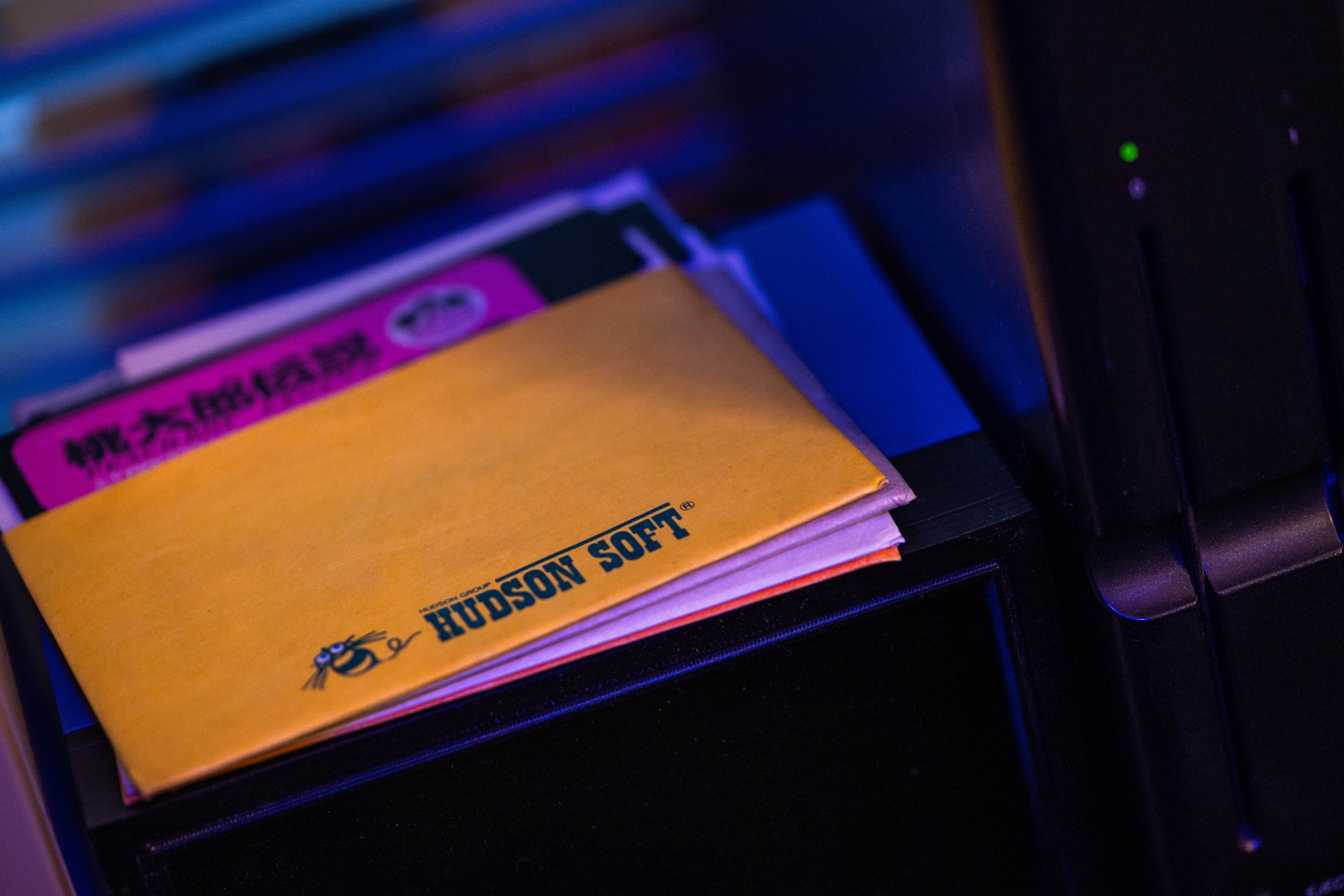
Both floppy drives read without complaint. The system disks arrived from Japan not long after, in a folder that also included a dictionary and a word processor, and I picked up an adapter that lets me use Mega Drive, Atari, and Amiga-style joypads on the machine’s joystick port. And then, for the first time, I had the real X68000 booting in front of me. Thirty-nine years old, no emulator underneath it, no tribute case standing in for it. Just the original machine, working.
Human68k, SX-Window, and the feel of the system
The X68000 runs Human68k, the operating system developed with Hudson Soft for Sharp’s machine. On top of that sits SX-Window, a graphical environment with a similar relationship to Human68k as early Windows had to DOS, though from a completely different branch of computing history. I booted the system disk and watched SX-Window run on the real hardware. There’s something quietly strange about seeing that interface appear on a machine from 1987, especially once you remember what most home computers looked like at the time. It’s slow by modern standards, and clunky without a mouse. That’s part of the charm: a window into a Japanese computing ecosystem most of us in the West never really experienced.
This is one of the things that makes the X68000 fascinating: underneath the games that made it legendary abroad, it was a full computer, with operating systems, GUIs, productivity software, graphics and music tools, development environments, magazines, manuals, and a whole world built around it. A world that mostly stayed in Japan.
The games
No story about the X68000 is complete without the games. Its reputation abroad rests on one idea: arcade-quality conversions at home, not simplified console versions but conversions that looked and felt shockingly close to the arcade originals. That reputation wasn’t imaginary.
Street Fighter II’ Champion Edition
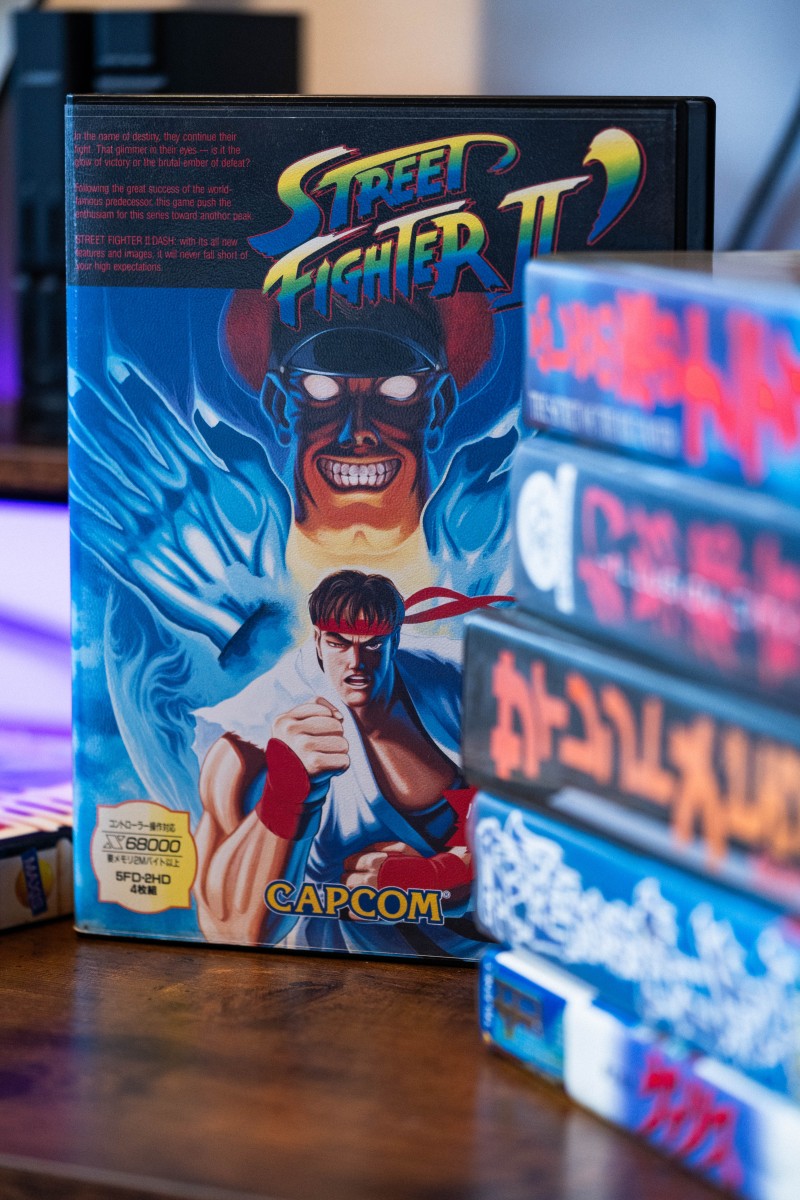
The obvious starting point is Street Fighter II’ Champion Edition, released for the X68000 in 1993. Around that same period I was living through the home-console version of the Street Fighter II story in Europe: arcade memories, the Super Nintendo version, the Mega Drive version, the six-button controller, and the whole emotional mess of the 16-bit console war. In Japan, Capcom also released Street Fighter II’ for this machine. It made sense: the X68000 was built around the Motorola 68000 CPU, the same CPU family used in Capcom’s CPS-1 arcade boards, although sharing a CPU family did not make the graphics, sound or memory systems identical. The conversion still had to do real work.
The X68000 version came on multiple 5.25-inch floppy disks. Loading it was a ritual, not a cartridge you click into place but a sequence of disks, sounds, waits, and mechanical movement. I wanted this copy as much for the object as the game: the case, the disks, the manual. Japanese manuals from this period often read like small pieces of design culture, illustrated and laid out on the assumption that you’ll actually read them before playing.
When Street Fighter II’ runs on the X68000, the legend makes sense immediately. The sprites, the colours, the animation, the music: the arcade, finally arriving through a different door. For Japanese players with access to this machine, Street Fighter II’ at home wasn’t a rumour. For the rest of us, it remained something we heard about years later.
Dead of the Brain
Dead of the Brain (1992) is a horror point-and-click adventure, something like a Japanese take on the early Sierra games, rendered in striking anime-influenced pixel art with a tone that fully commits to its premise. You play as a young man surviving a sudden zombie outbreak after a friend’s scientific experiment goes catastrophically wrong.
The X68000’s master palette of over 65,000 colours gives the artwork a depth that’s hard to overstate for 1992, and I enjoy how the artwork looks on this machine. It built enough of a following to become something of a cult title outside Japan too.
Illusion City
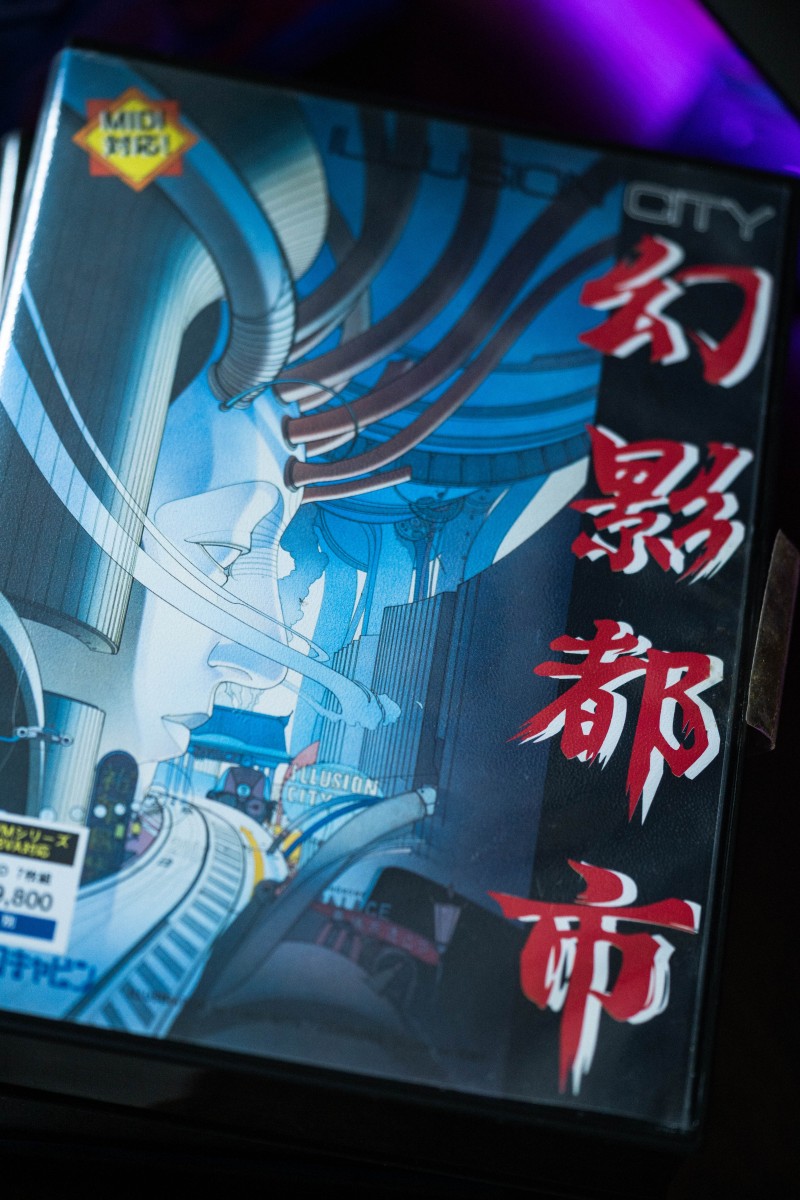
If Dead of the Brain shows the horror side of the X68000, Illusion City shows the cyberpunk one. On the X68000, it’s a turn-based RPG set in a devastated twenty-first-century Hong Kong, rebuilt after a demonic attack and shaped by corporate power, urban decay, and a darker tone than most console RPGs of the same period.
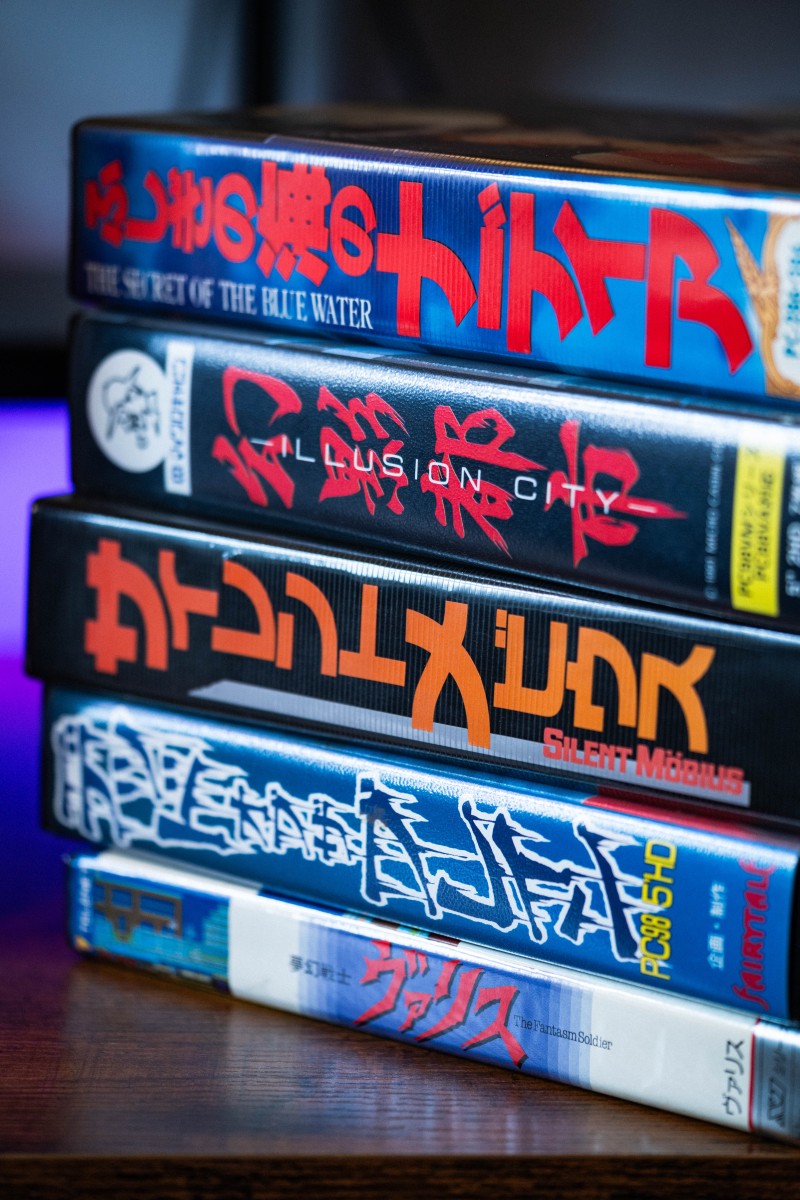
You play as Tian Ren, a demon hunter investigating the corporation behind the rebuilt city, but what hits you first is the atmosphere. The opening still has a cinematic quality today: neon lights, shadows, detailed character art, streets that feel populated even when they’re still. The packaging matches the ambition, with a manual full of world-building, character profiles, and careful design.
Games like this are proof the X68000’s library went well beyond arcade conversions, into a broader Japanese computer scene where visual novels, RPGs, horror adventures, and cyberpunk stories could exist in ways that rarely crossed into the Western mainstream.
Gainax, anime, and visual novels
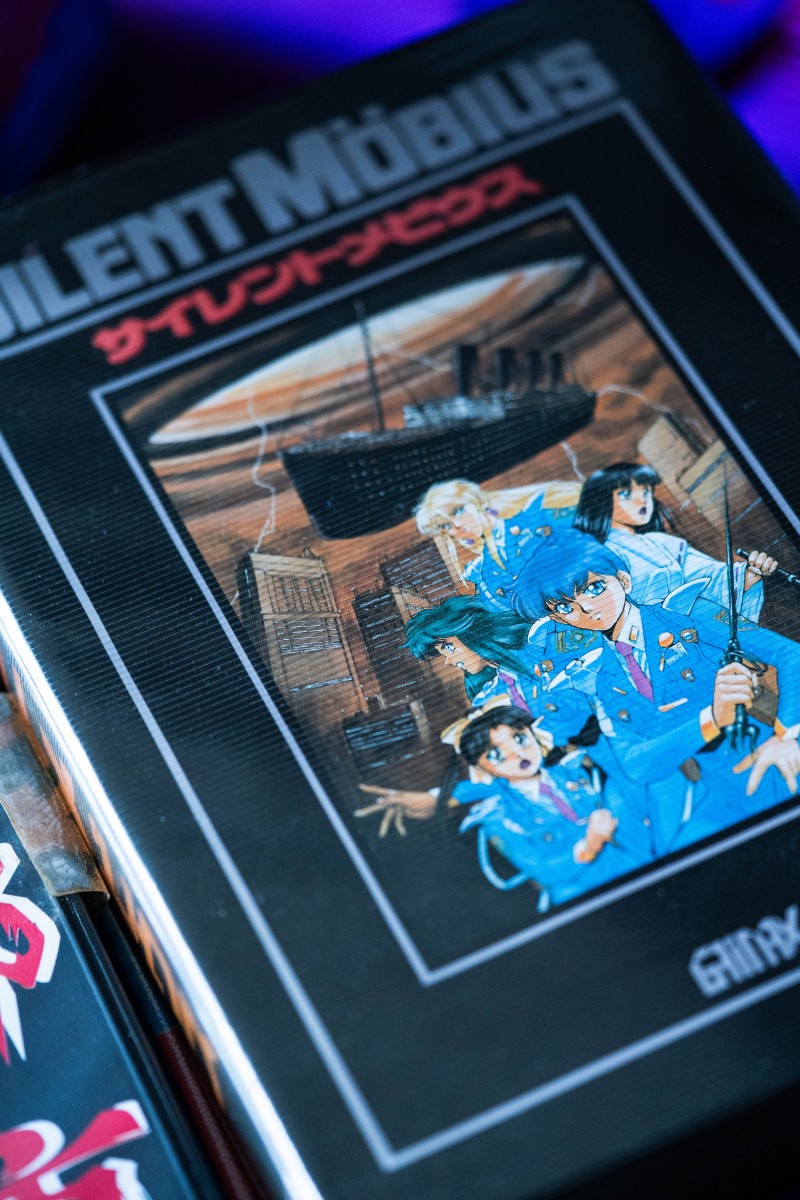
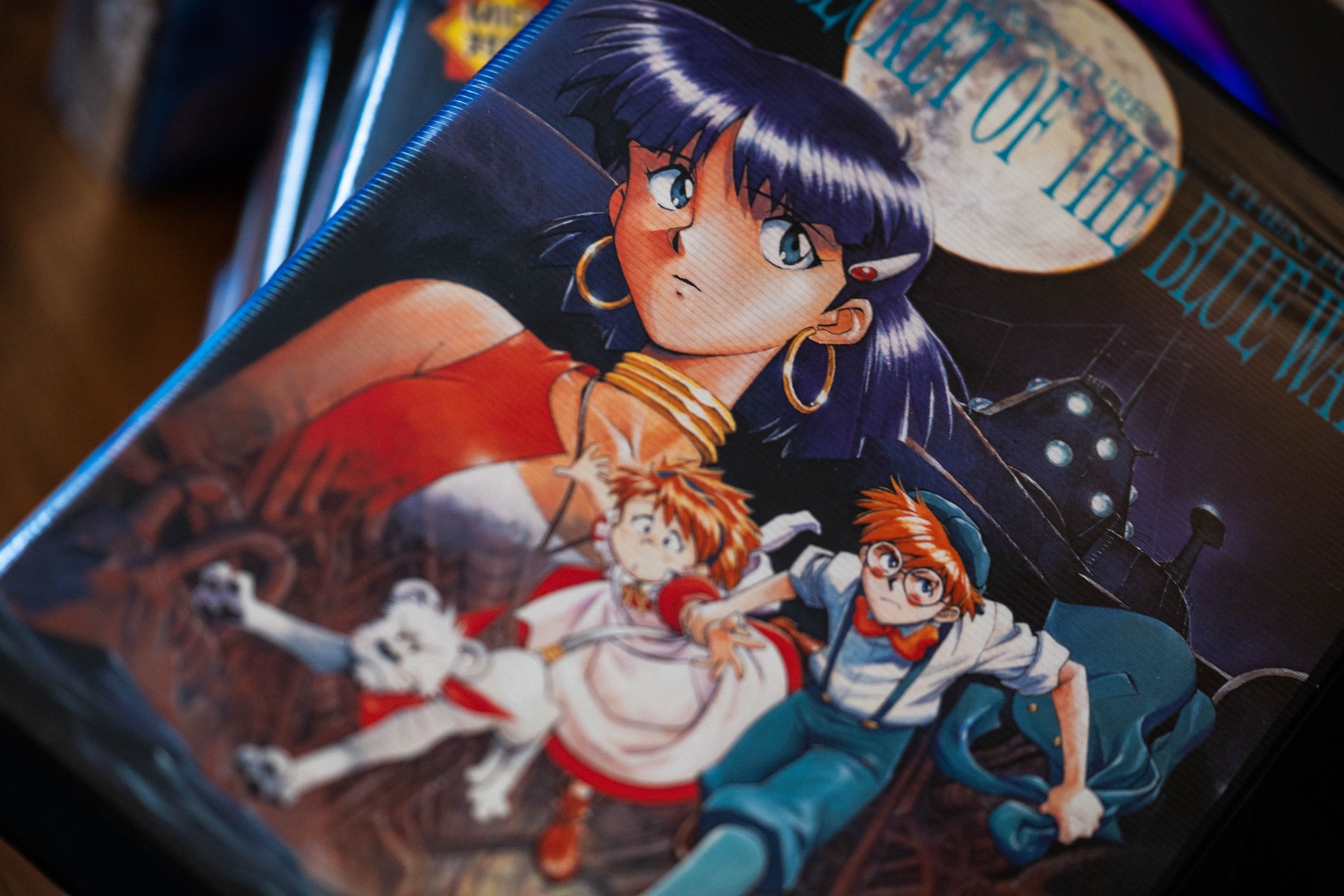
Two more from my collection are connected to major anime properties of the era: Silent Möbius: Case Titanic (1991), based on Kia Asamiya’s cyberpunk manga and anime, and Fushigi no Umi no Nadia (1992), a loose adaptation of the Gainax anime inspired by Jules Verne, with artwork rooted in Yoshiyuki Sadamoto’s character designs. Both are menu-driven adventures closer to visual novels than action games, and both also appeared on the PC-98 and FM Towns, part of that wider, largely unseen Japanese computing ecosystem of the era.
These two matter because they show another side of the machine: deeply tied to Japanese pop culture, anime, manga, and visual storytelling, sitting somewhere between software, illustration, and fan culture.
The stranger side of the library
And then there is the stranger side of the X68000 library. Like the PC-88, PC-98, and FM Towns, it has its share of titles tied completely to the Japanese computer scene of the late eighties and early nineties: visual novels, adult adventures, fantasy stories, detective games, obscure experiments, things that don’t always lend themselves easily to a YouTube video.
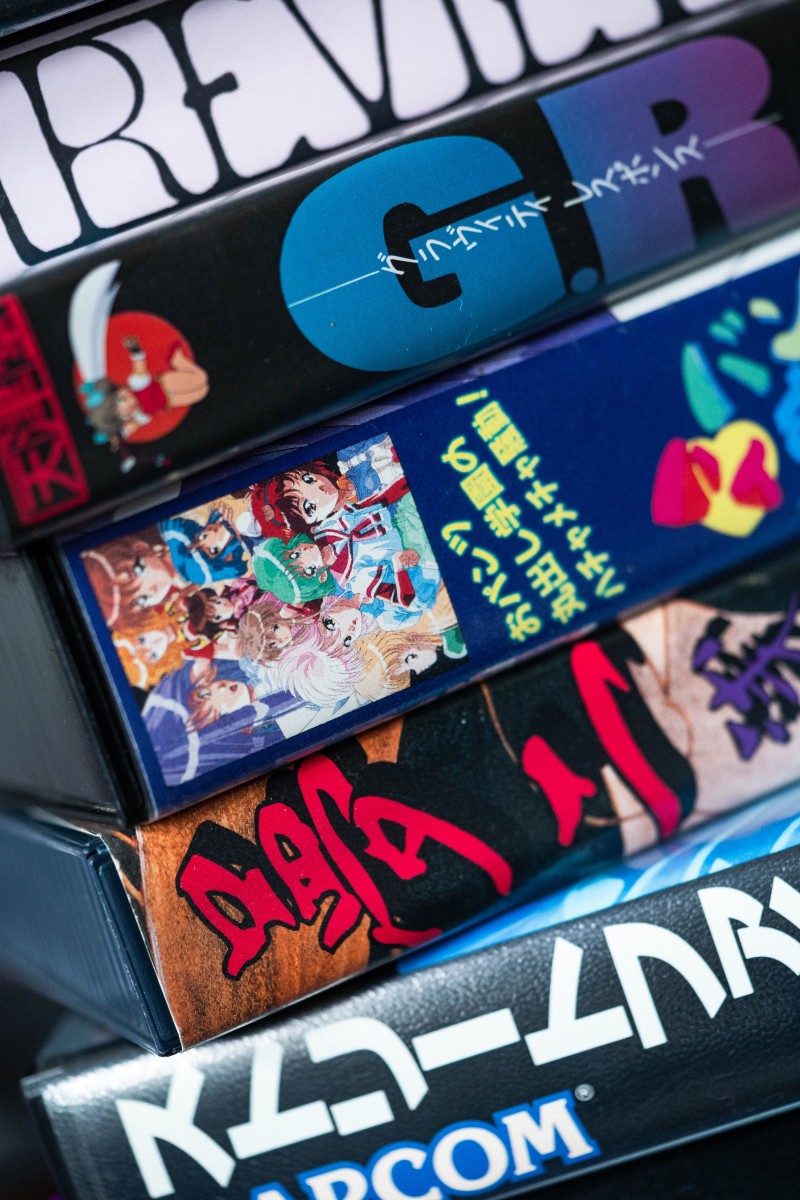
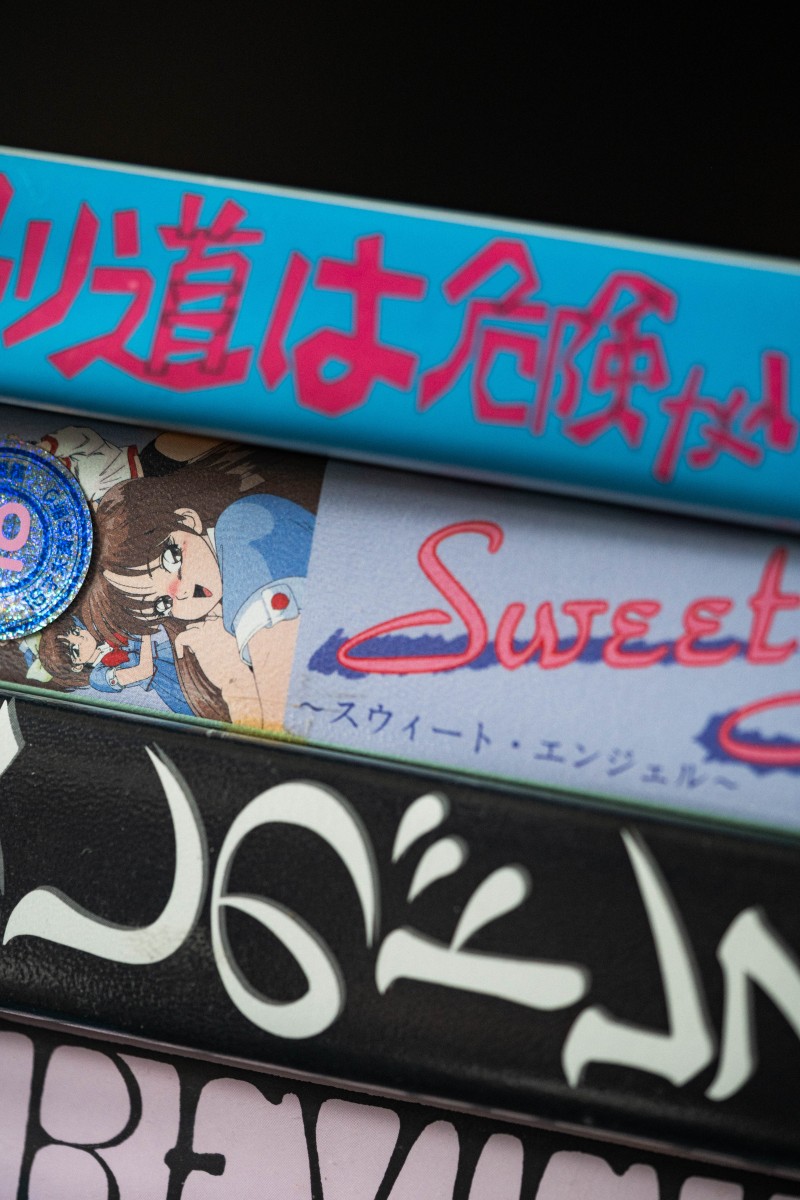
Some of them I can show mostly through their covers: Yumeji Asakusa Kitan, Vampire High School, G.R.: Gravity Response, Jashin Fukkatsu, Koroshi no Dress 3, Sweet Angel, Kaerimichi wa Kiken ga Ippai, and others. The least accessible part of the collection, but part of the picture all the same.
The Zuiki X68000 Z
Zuiki releasing the X68000 Z, a faithful modern miniature of the original machine, says something about the legacy the Sharp X68000 left behind.
It was never a globally famous computer the way the Amiga, the Macintosh, or the IBM PC became famous. It was mostly a Japanese machine, for a Japanese market, with a Japanese software culture around it. And yet, decades later, it still carries enough cultural weight to justify a modern miniature. The twin towers, the vertical drives, the industrial design, the arcade ports, the magazines, the manuals: all of it stayed in people’s minds.
The X68000 Z is a tribute. My X68PC is a tribute. The original machine is the reason both exist.
Why the Sharp X68000 still matters
The Sharp X68000 still matters because of a very specific idea of what a home computer could be: professional, expensive, beautiful, strange, and deeply connected to the Japanese creative industries of its time, sitting somewhere between a productivity machine, a games machine, and a hobbyist computer, without settling into any single one of those categories.
It ran serious software, graphics tools, music software, and games that looked far closer to the arcade than anything most of us had at home, all inside a case that still looks extraordinary today.
That’s the part I keep coming back to. Good specifications explain what the X68000 could do. They don’t explain why it still has presence, why it still looks like it matters, decades after it stopped being new.
For years, I wanted one. Then I built a tribute out of an empty case. And now, finally, I have the real thing too.
One I built. One that survived. Both sitting on my desk, connected by the same strange fascination that started decades ago with a rumour from Japan.
The real machine still needs work. The power supply should be recapped. I need a proper mouse. I may expand the RAM further. I want to preserve the floppy drives and eventually give it a permanent place in the setup.
But it’s alive. It boots. It reads disks. And for now, that’s enough.
Watch the full video on the RetroAffaire YouTube channel.
Stay curious. Stay nostalgic.
Because retro never dies, it just respawns.
Leave a Reply