
I visited Lucca Comics & Games for the first time in 2025. Between the medieval walls, the stands and the exhibitions, I found stories printed, sculpted and inked, and quite a few things to bring home. This is my haul, with the people and moments attached to it.

Waiting for Eastman
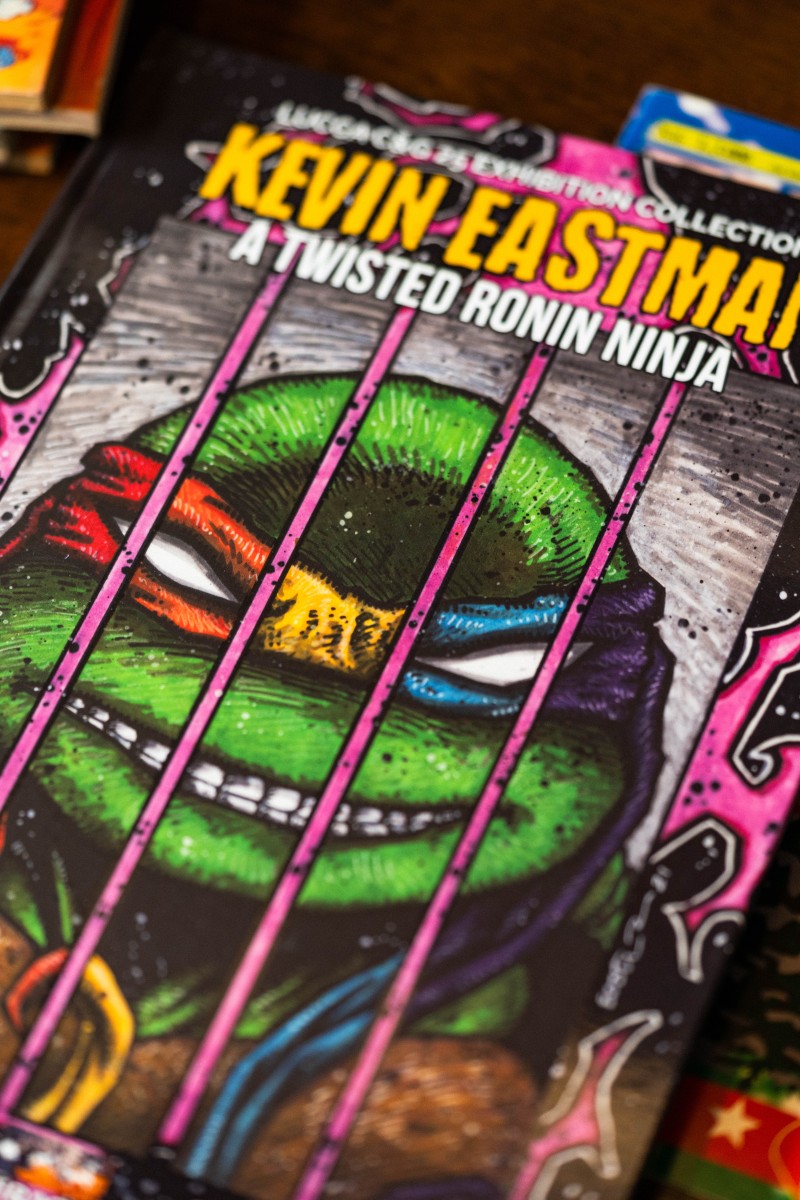
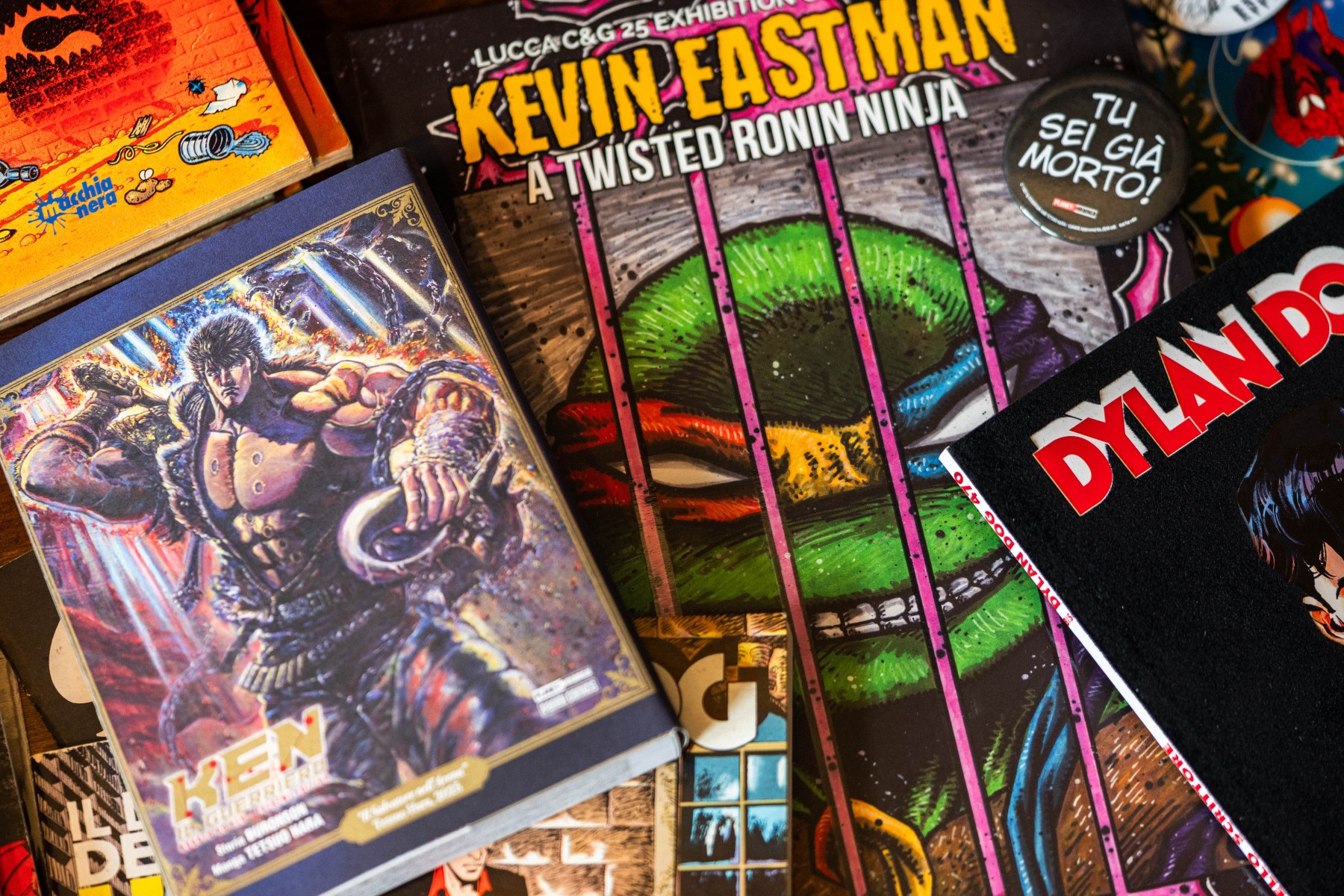
Three hours in line. A fair part of the day spent waiting for one signature. But at the end of it, Kevin Eastman, the co-creator of Teenage Mutant Ninja Turtles (1984), signed my copy of A Twisted Ronin Ninja, complete with a personal dedication. The book itself is a piece of event history, with a limited edition released exclusively for Lucca Comics 2025. After all, having the signed copy in my hand… made the long queue worth every minute.
The Call of Hokuto no Ken
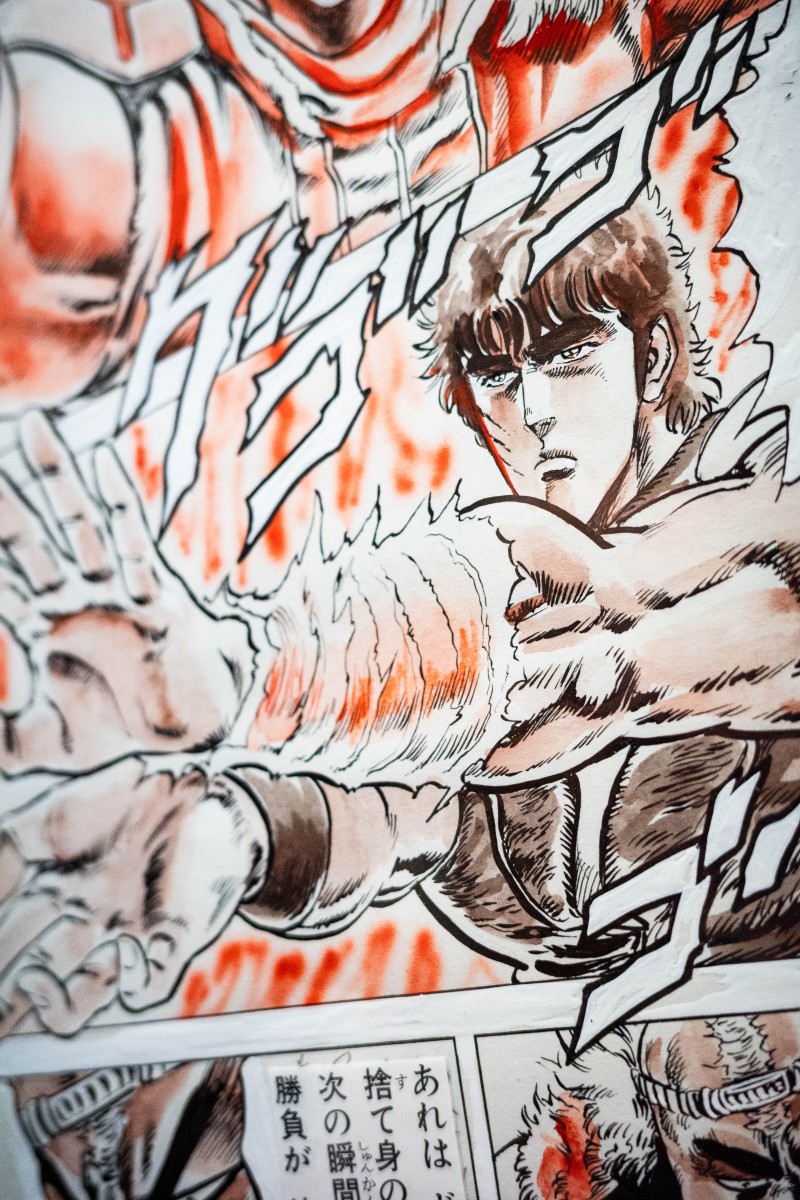
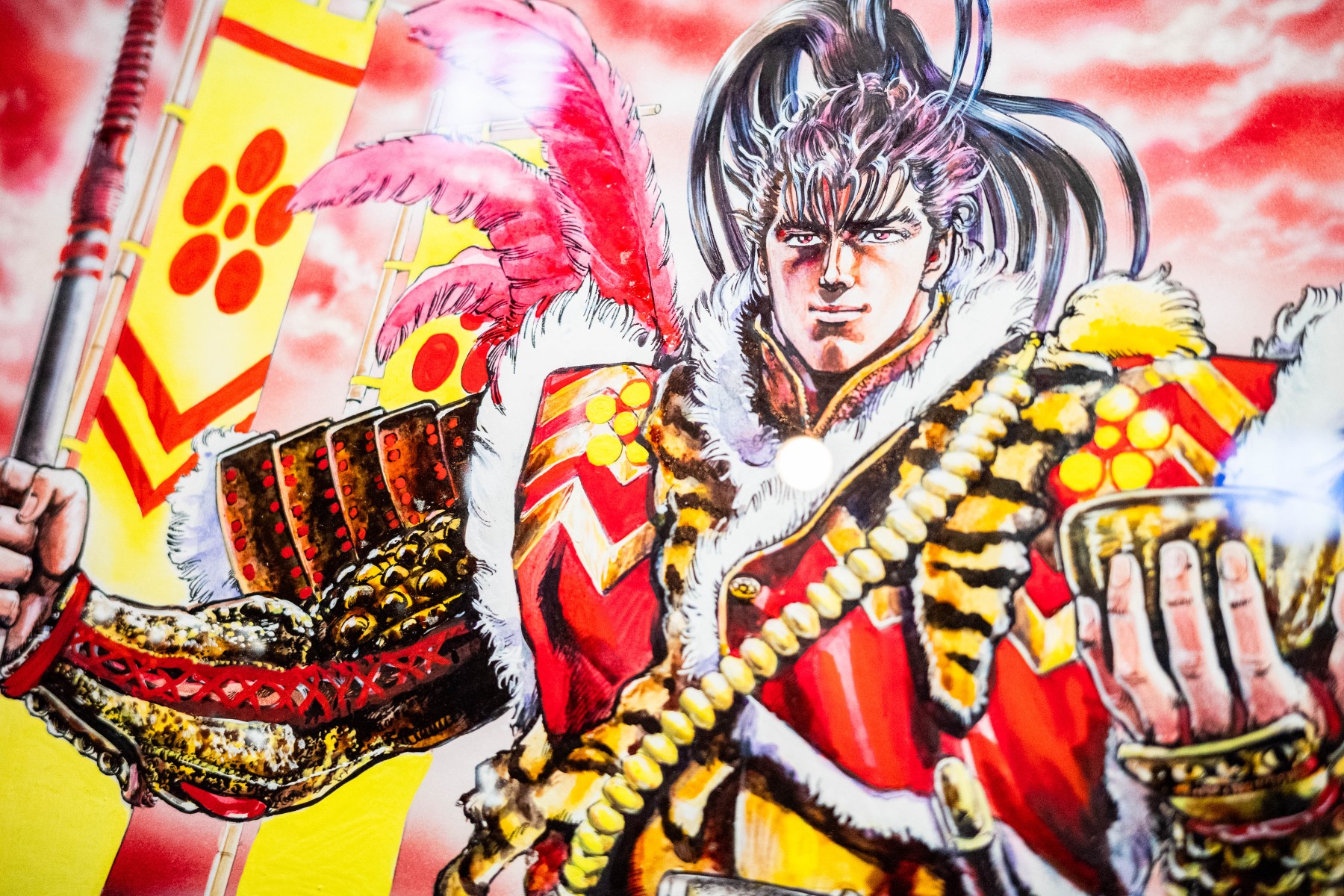
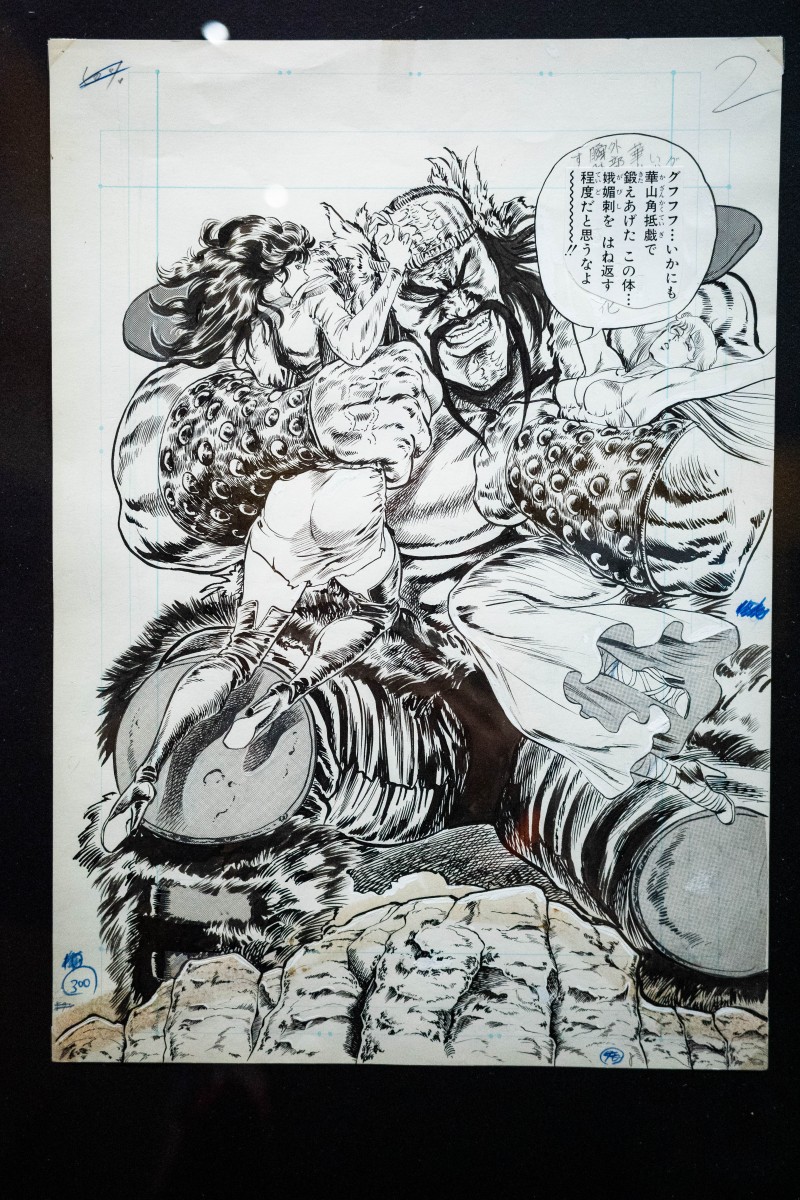
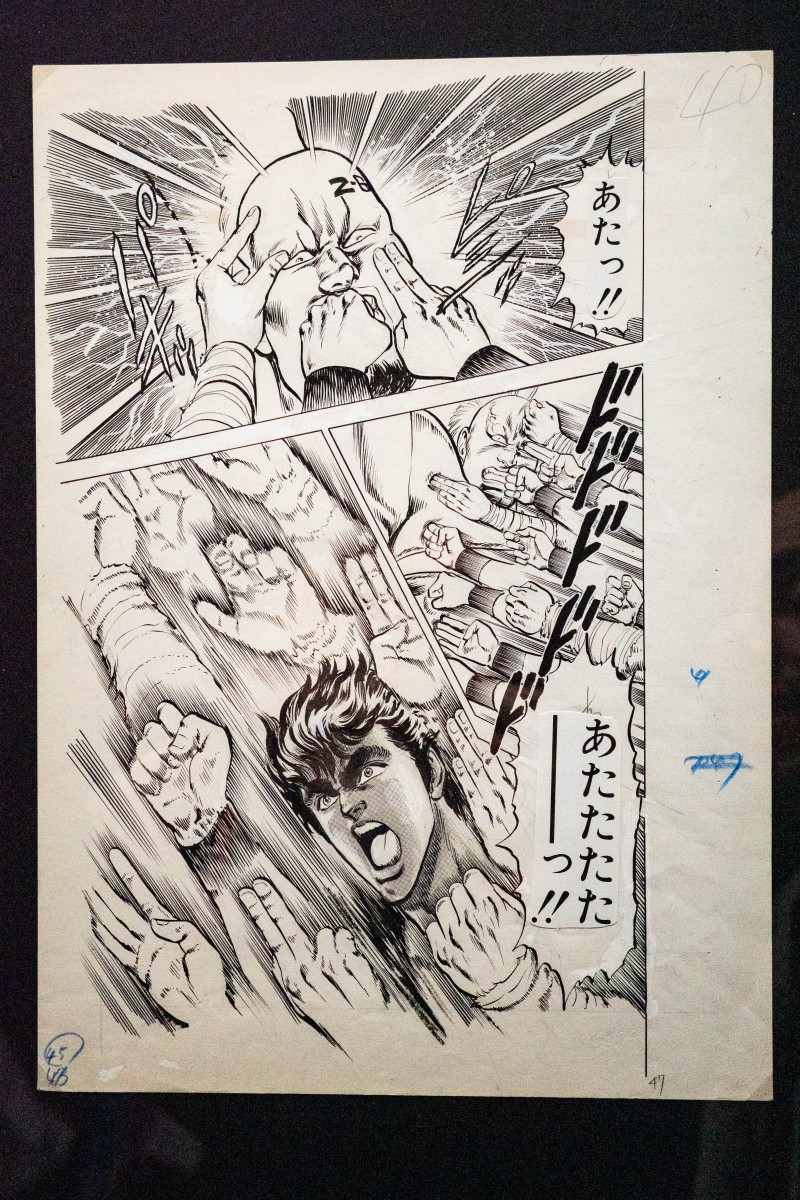
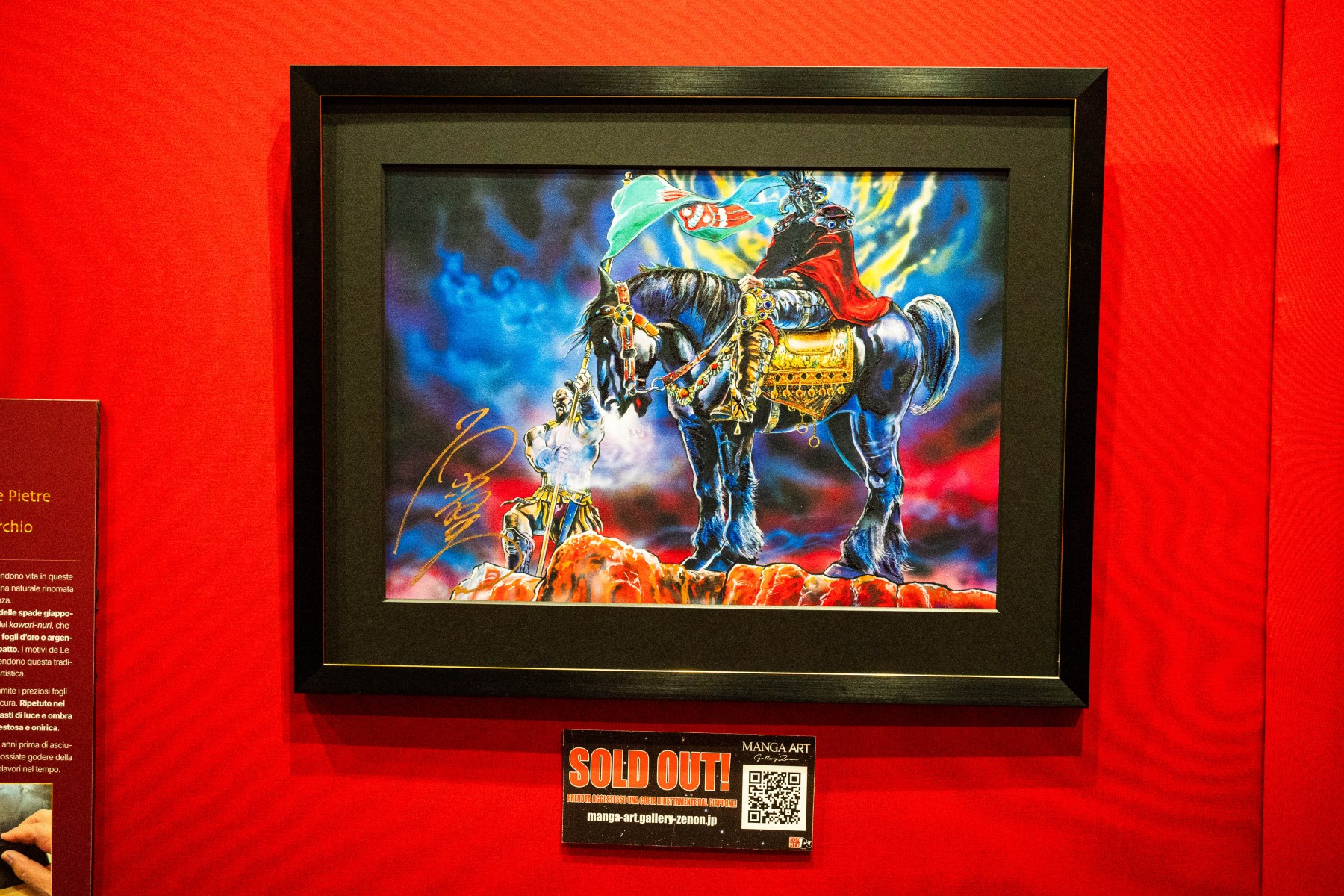
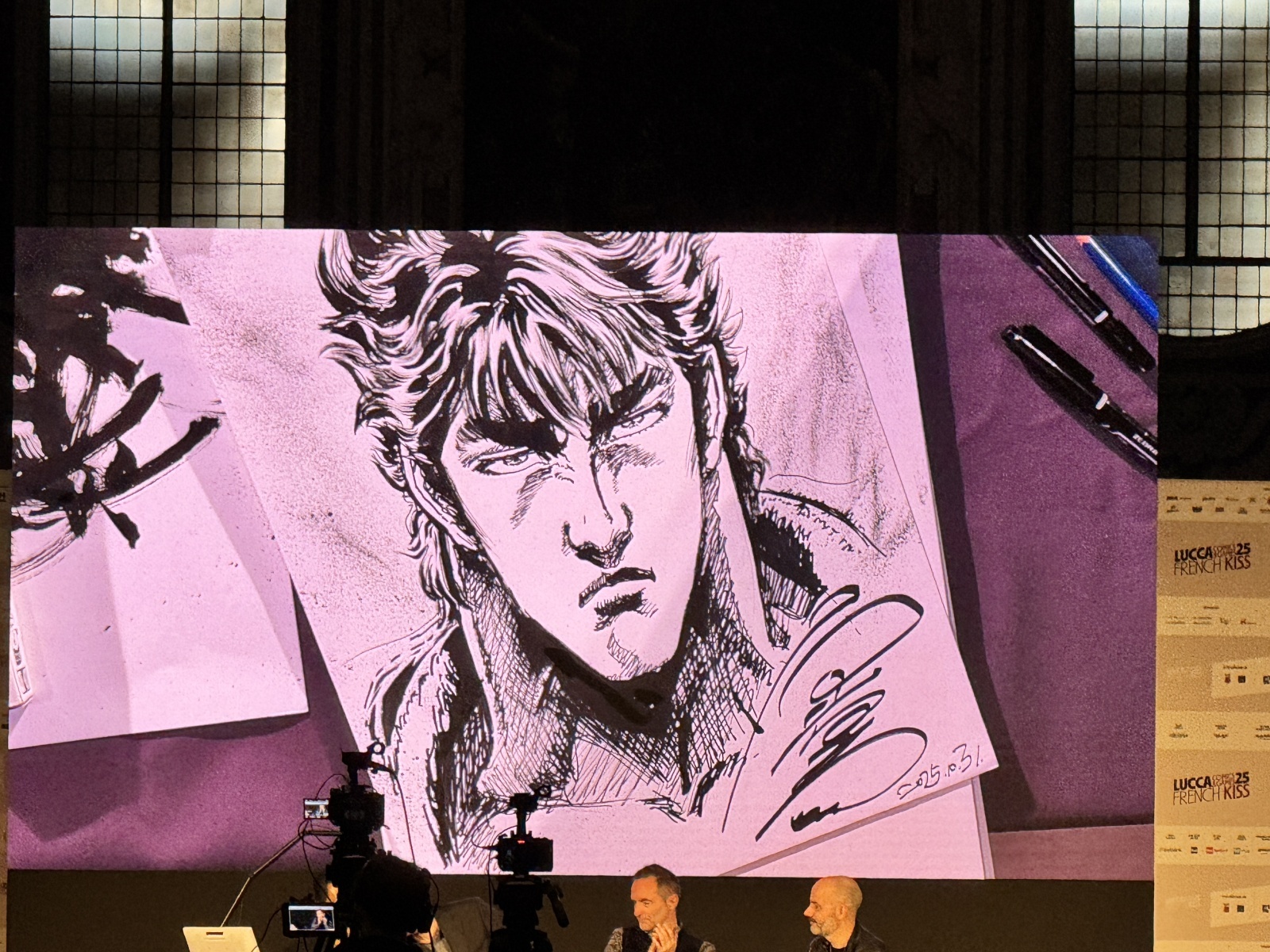
Apart from the amazing “Come un fulmine dal cielo” exhibition of the work of Tetsuo Hara sensei and the Panini stand… this year Tetsuo Hara himself was in town. Hara sensei is best known for co-creating Hokuto no Ken with writer Buronson (北斗の拳, Fist of the North Star); it ran in Weekly Shōnen Jump in the 1980s and has sold over 100 million copies globally.
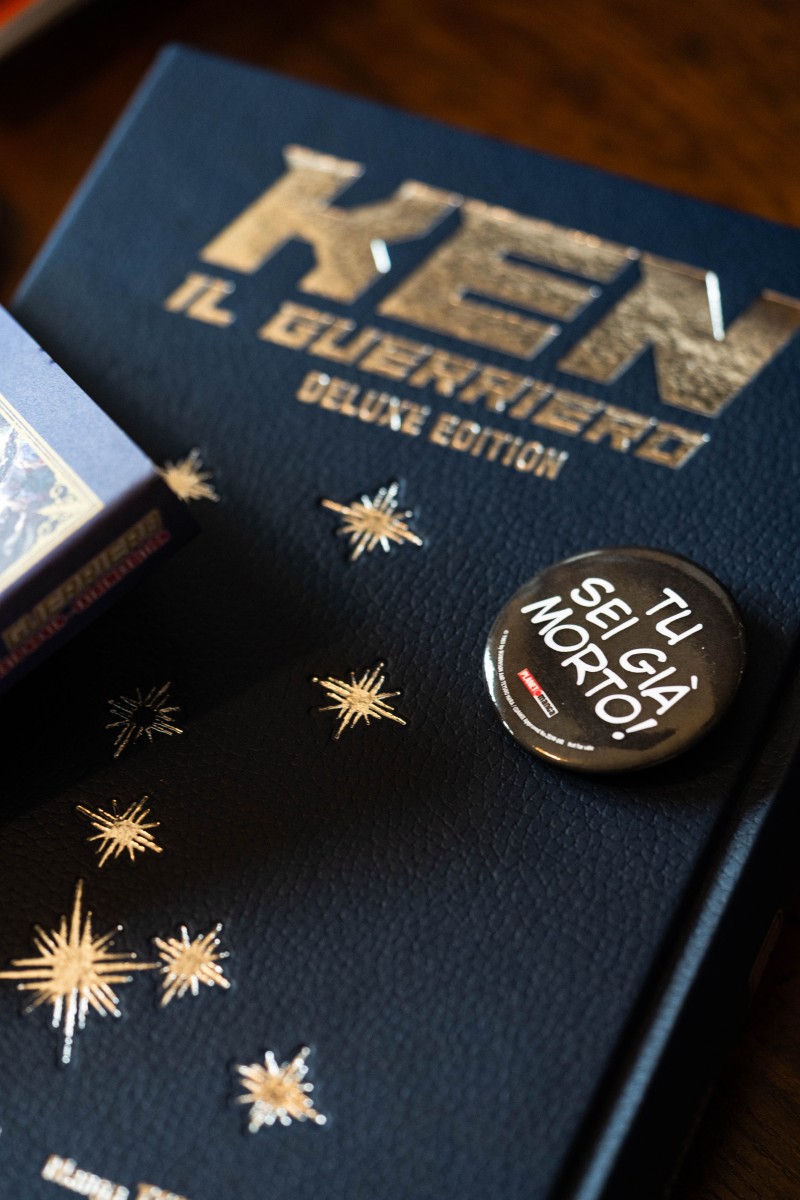
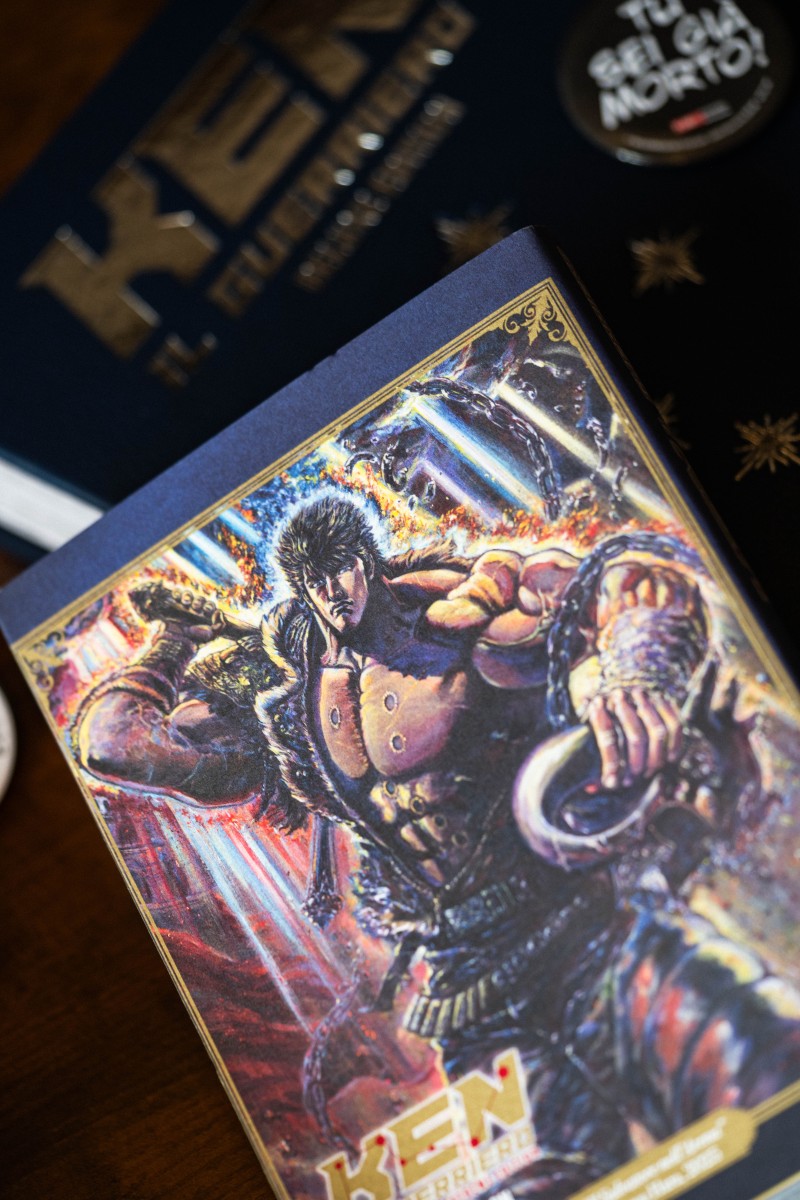
I picked up the Hokuto no Ken Extreme Edition, the limited variant “Il Salvatore dell’Arena,” a cover with the special artwork painted by Hara sensei. I didn’t go for all three variants, just the one that felt right and the big Deluxe Edition that includes two volumes of the extreme in a single oversized and beautifully printed collection that feels made for display, reading.
Between panels like “Creatori di Mondi” (with Hara, Igort, and John Romita Jr.) and the Maxi Showcase Tetsuo Hara, it felt like standing in front of living manga history. I still have the vouchers from those sessions, small relics of big moments.
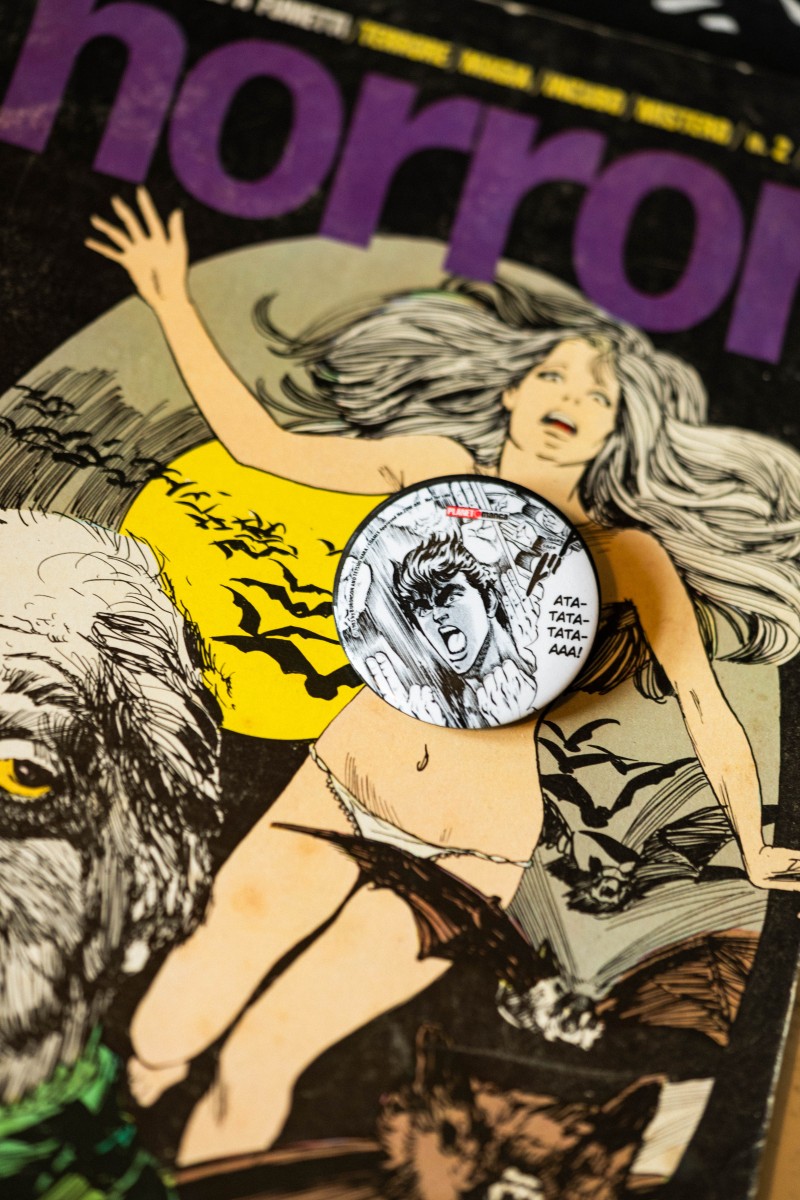
Lucca thrives on limited editions and “only here” items. The Panini stand was giving out Hokuto no Ken pins, and for purchases over €50, a shopper bag with art by Hara, now my new favourite tote.
Kenshiro’s world was already part of my childhood. That’s what gives this cover its weight: Hara’s artwork attached to a story I’ve carried for years.

Vintage treasures from Japan Town
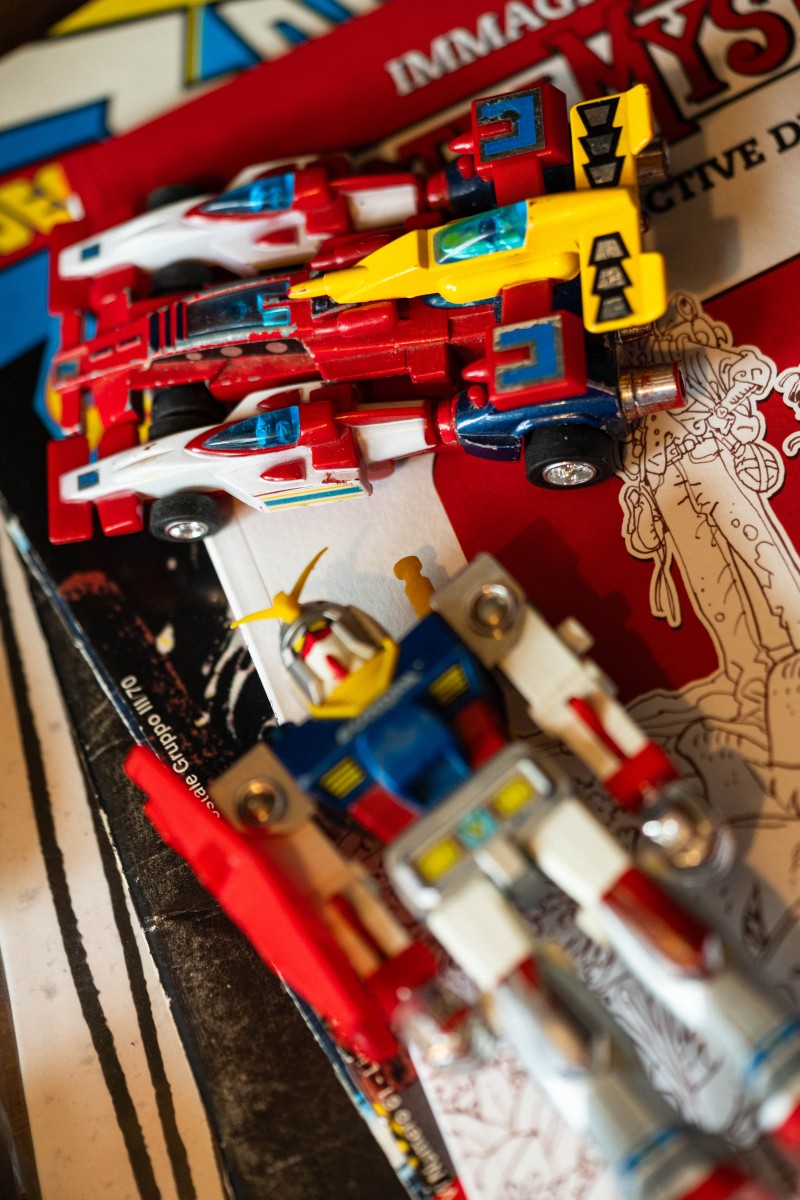
From the Japan Town pavilion came two vintage finds: a small die-cast Chogokin Gundam RX-78 (Clover, 1980), and a Supercar Gattiger (超スーパーカーガッタイガー, first aired in Japan in 1977). These are smaller versions of the bigger models, but still complete, metal-bodied gems from another era.
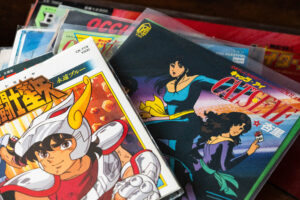
And then, an Occhi di Gatto (Cat’s Eye, キャッツ・アイ) sticker album, the kind every Italian kid once filled page by page. The manga, by Tsukasa Hōjō, was published in Japan on the Weekly Shōnen Jump Shūeisha from 1981 to 1985. In Italy, the anime was first aired between 1985 and 1986, and I was among the first “batch” of viewers!
Dylan Dog, always
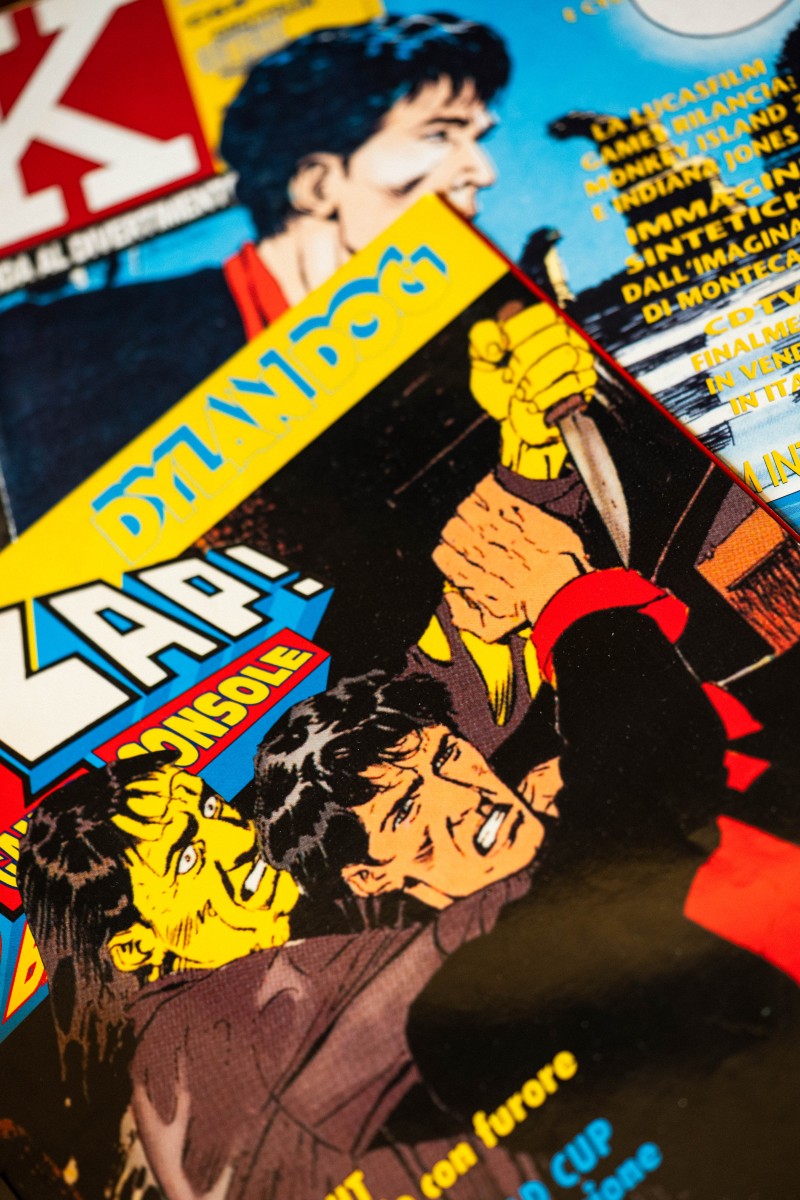
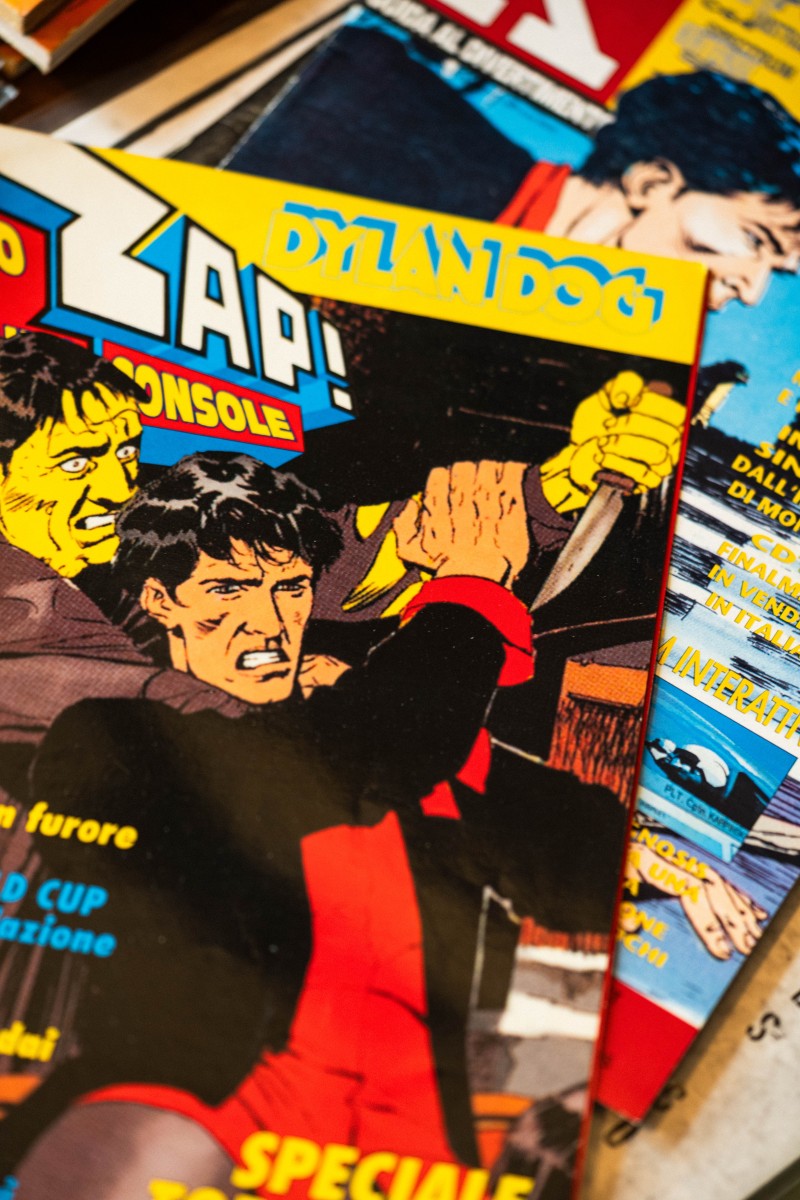
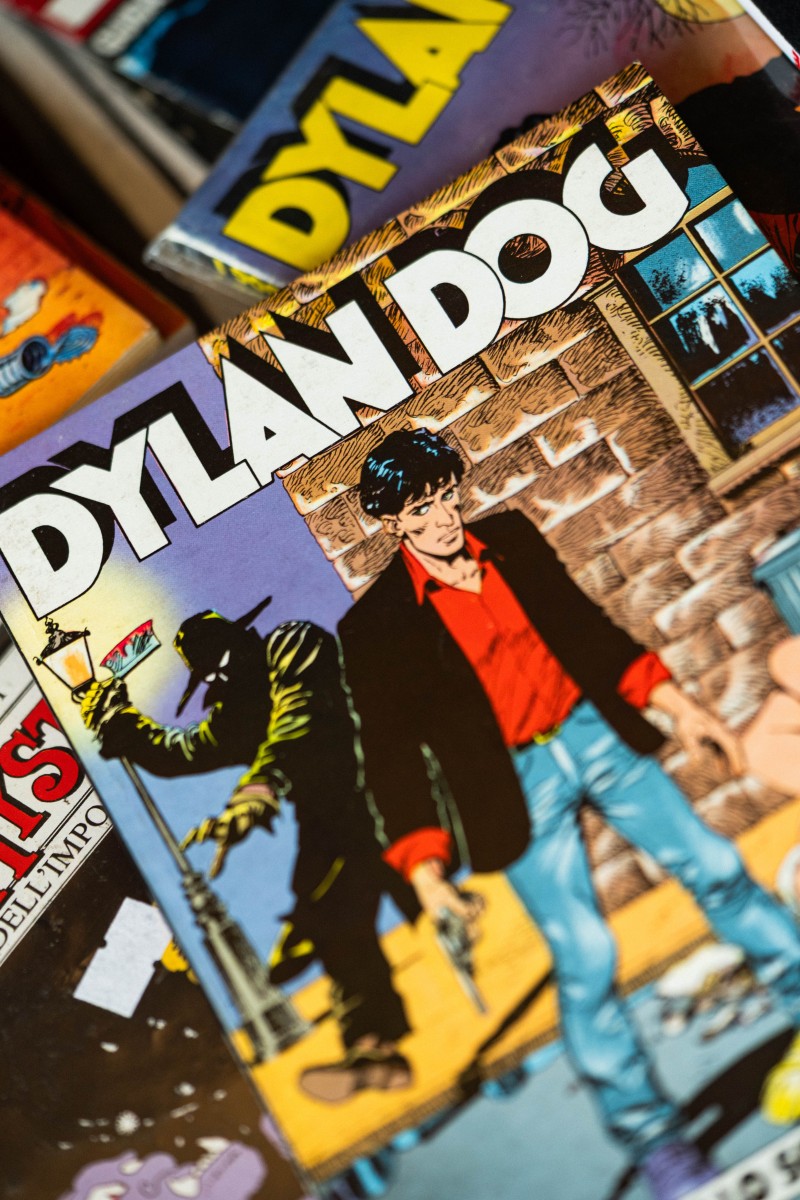
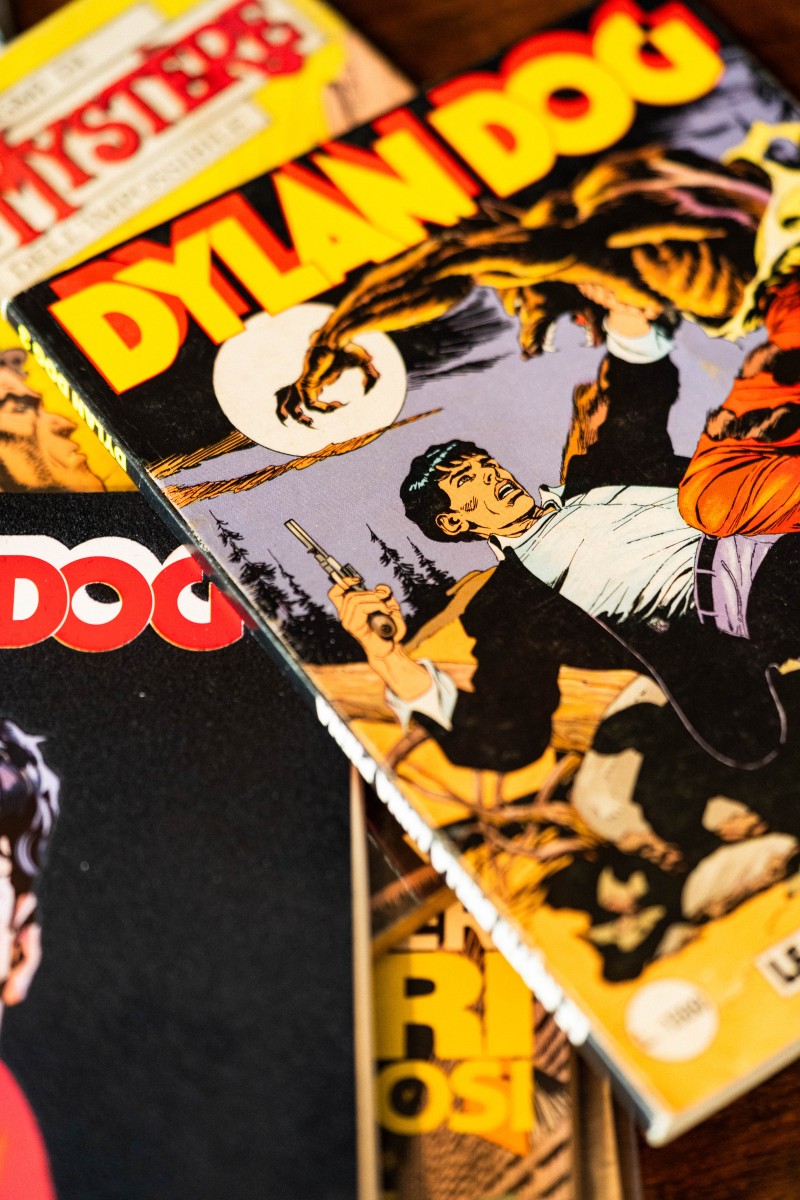
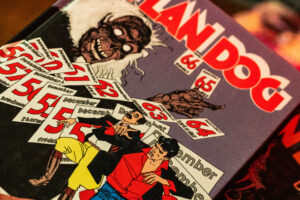
One of the most personally significant segments: Dylan Dog. Created by Tiziano Sclavi and first published in September 1986, with an October cover date by Sergio Bonelli Editore, the series features a paranormal investigator who tackles ghosts, demons, vampires and sociopathic criminals. Sclavi conceived the “Indagatore dell’Incubo” (Nightmare Investigator) as a genre-bending horror with surreal and ironic tones.
My favourite discoveries came from the darker corners: a 1990 issue of Schizzo magazine, interviews with Dylan Dog’s early artists (Stano, Poi, Piccatto), though vandalised and incomplete. Then Il Mensile del Fumetto (1992) featuring Dylan Dog, plus the original issues #2 and #3 (I have the #1 albeit not in great condition) from 1986, rare finds that push my collection closer to “first edition” only completion.
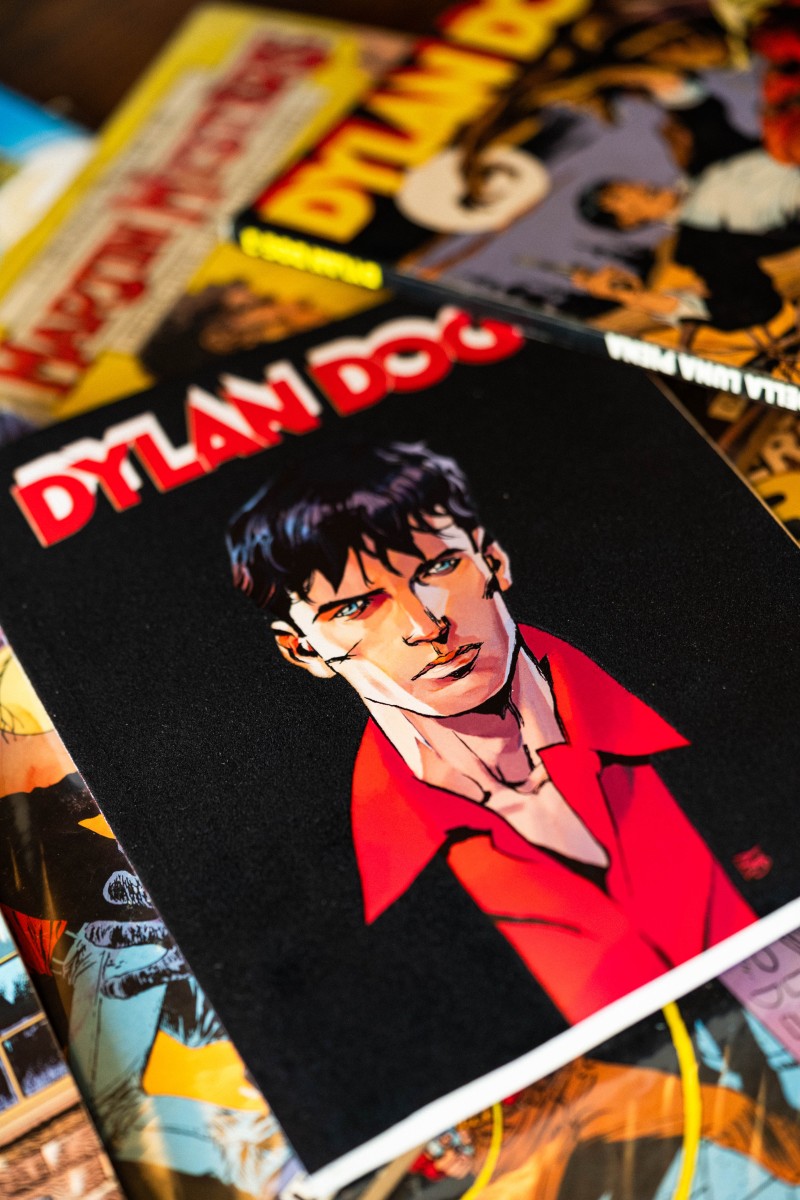
And yes, I grabbed the Lucca variant of Dylan Dog #470: La Mente dello Scrittore, alongside a Mad Season “Rarities Collection” vinyl featuring Nicola Mari’s Dylan Dog artwork on the cover: orange disc, bootleg, definitely a conversation piece.
Horror and Mystère
Among the most atmospheric finds: a 1970 issue of Horror, published by Sansoni Editore between 1969 and 1972. Yellowed pages, strange stories, pure time capsule full of weird stories. Italy also has a tradition of some solid horror products, and this magazine is a clear example of this.
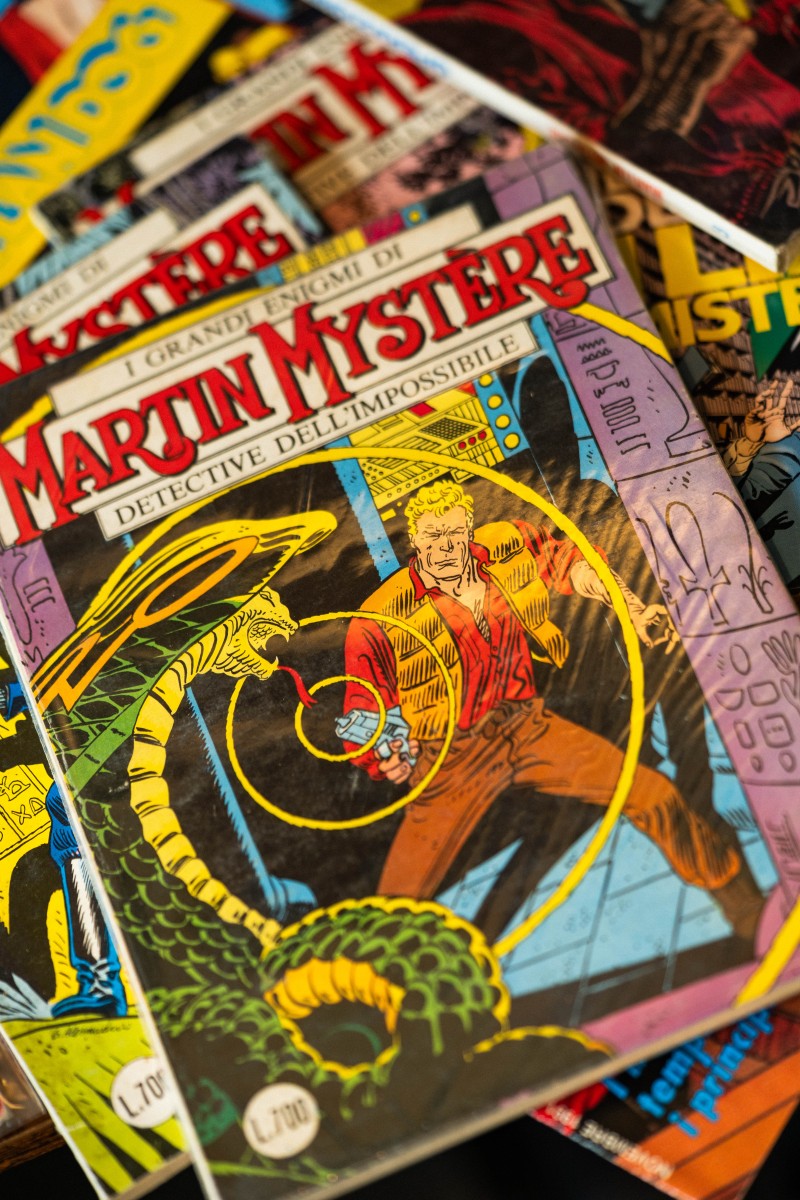
Then the series Martin Mystère, first published in 1982 by Sergio Bonelli, created by Alfredo Castelli (writer) and Giancarlo Alessandrini (artist). Martin Mystère plays the “Detective of the Impossible”: archaeologist, anthropologist, adventurer who investigates lost civilizations, UFOs, parapsychology and other mysteries. My haul: Martin Mystère: 100 Ritratti del Detective dell’Impossibile, limited edition from the Bonelli stand, plus original copies of issues #1, #2, #3, and other smaller stories… Vintage adventure gold.
Laughter from the past
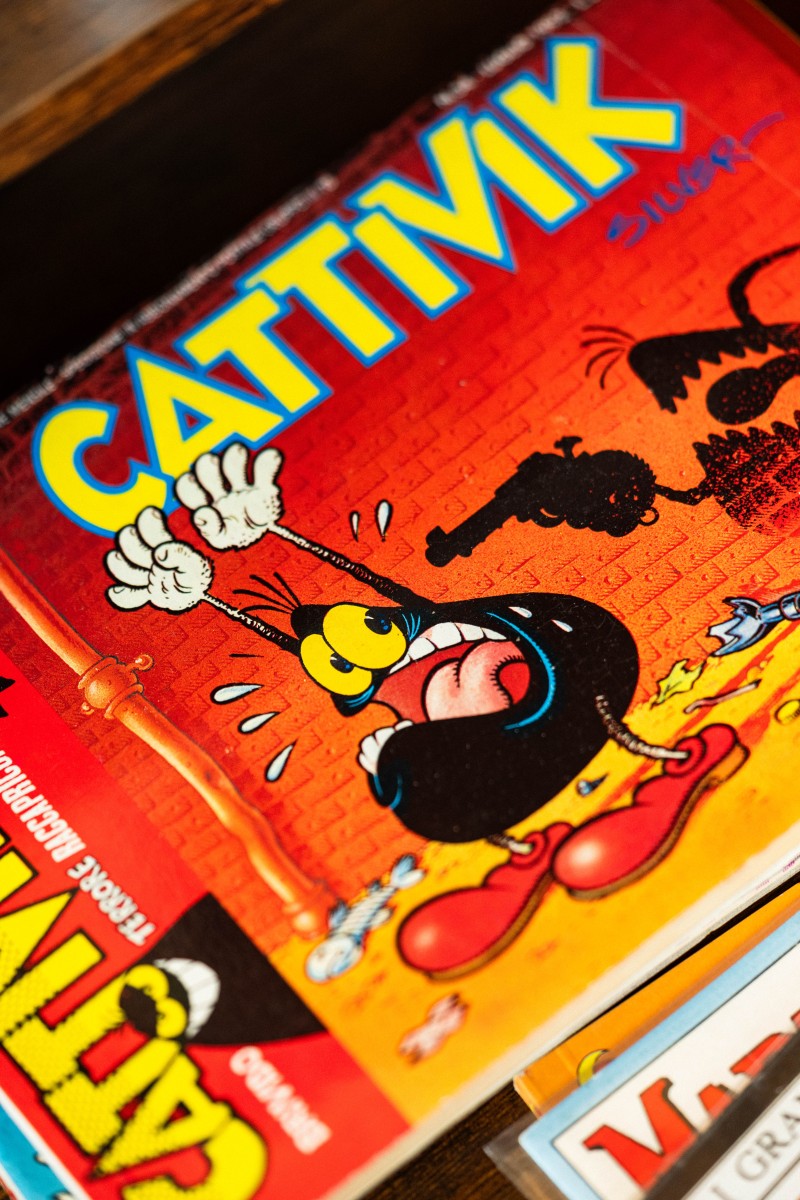
Then there’s the lighter side of nostalgia: comics like Cattivik (created by Bonvi and later continued by Silver, a parody of Italian criminal comics such as Diabolik), Lupo Alberto (1974, Silver – Guido Silvestri) and Sturmtruppen (1968, Bonvi), humour comics I used to read as a child/teen. Absurd, irreverent, and shaped part of how I saw storytelling. Finding vintage copies felt like reconnecting with a younger version of me.
Bridging horror & folklore: “Kwaidan”
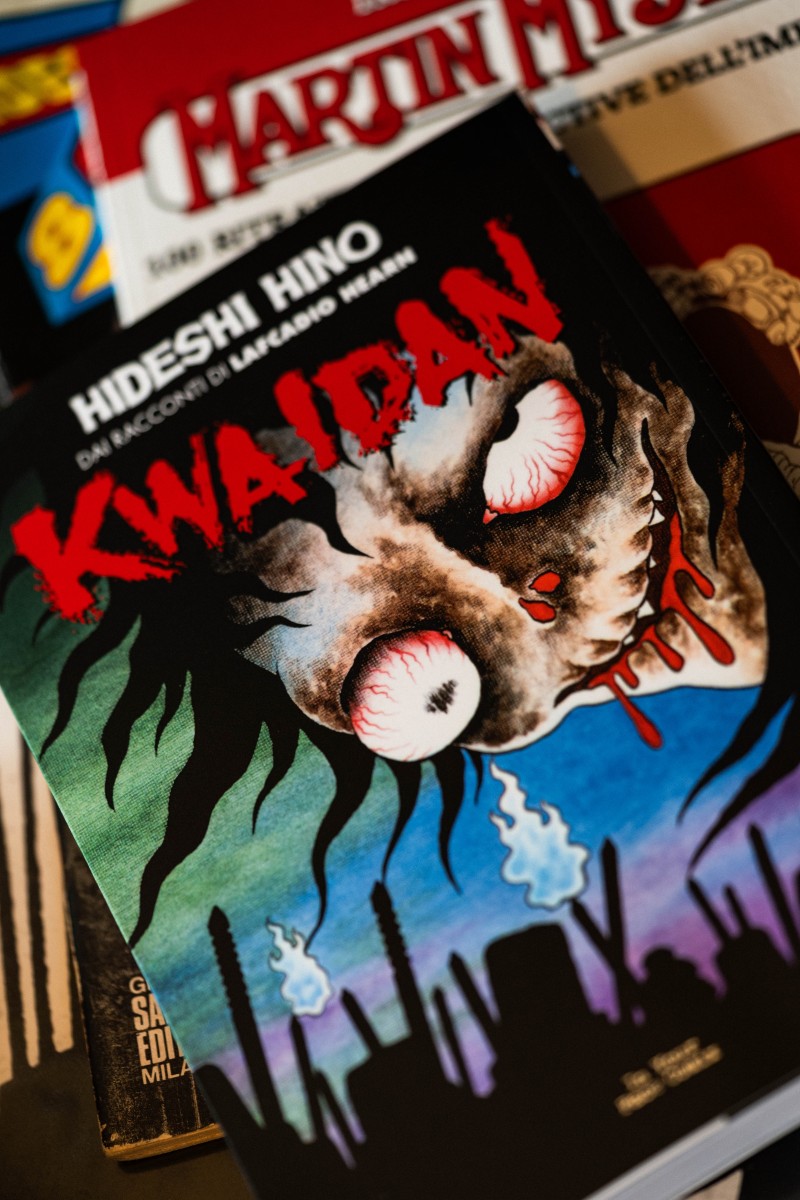
Finally, a book that bridges both worlds: Kwaidan by Hideshi Hino. A haunting Italian edition where the master of Japanese horror reinterprets Lafcadio Hearn’s classic ghost tales. Literature and folklore, a perfect closer for a trip that moved between nostalgia and discovery. Also, watch Kwaidan the movie, too, a masterpiece.
Conclusions
I brought home books, toys and records, but I also kept the small things: a dedication, a session voucher, the memory of watching someone draw. At Lucca, the hands behind the work were right there in front of me. That felt refreshing.
Stay curious. Stay nostalgic.
Because retro never dies, it just respawns.
Leave a Reply